Skip to content
Marcomar · Serra d'Irta
EN
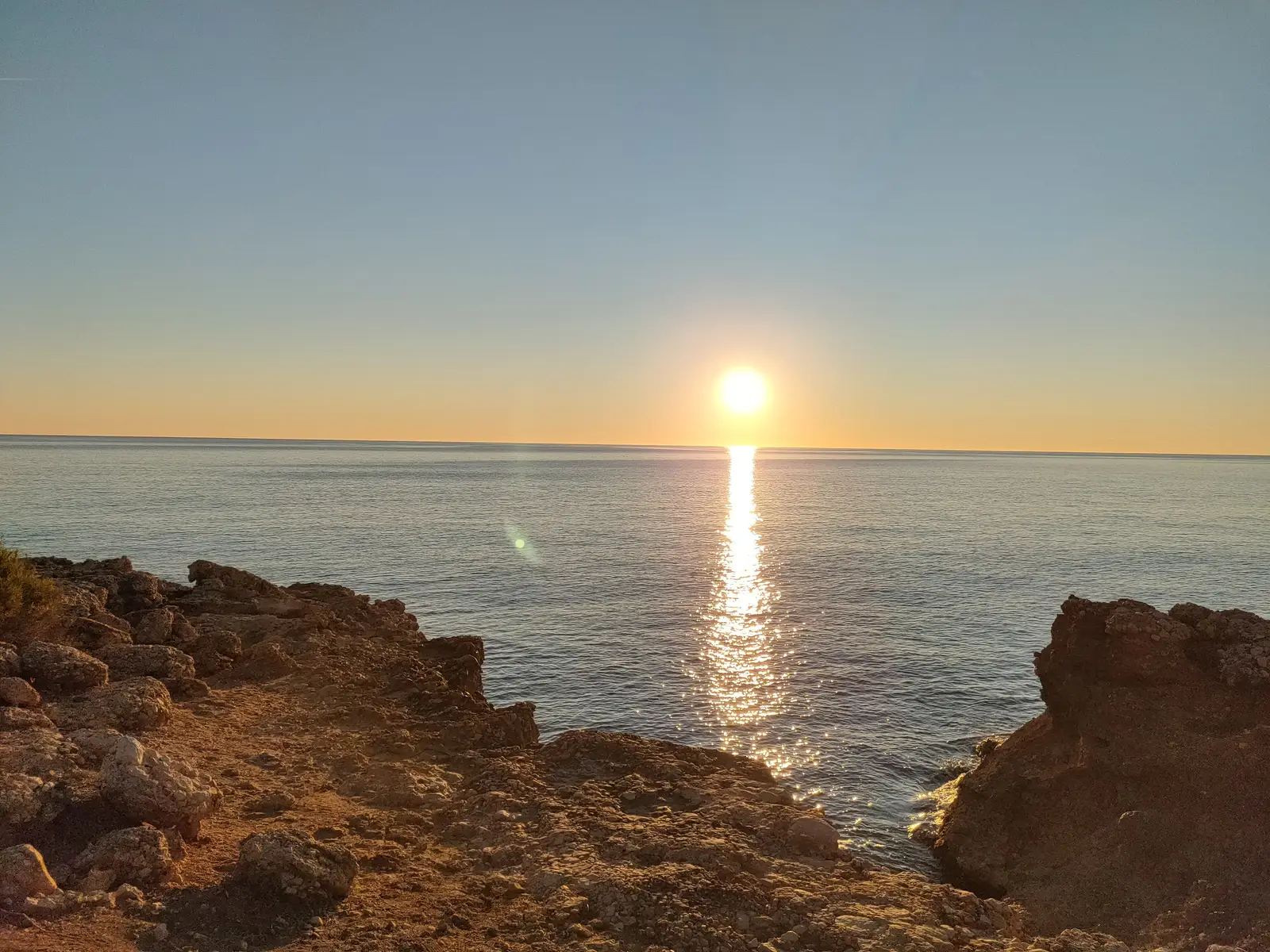
Sunrise over the Mediterranean from the rocky coast of the Serra d'Irta

Serra d'Irta photos

See the Marcomar apartmentsOfficial park information

A selection of Serra d'Irta photos arranged by place: the coves and coast, the Alcossebre lighthouse, the watchtowers, the castles, the hermitages, the inland landscape and the sea. Each section links to the guide for that place so you know how to get there.

Looking at photos is the best way to decide which part of the Serra d'Irta appeals to you most. Here they are, arranged from the coast to the interior; each picture's author and licence appear below it.

The coves and the unspoilt coast

About 12 km of undeveloped coastline, with pebble and sand coves, rocks and clear water. All of them, with how to reach each one, are in the Serra d'Irta coves.
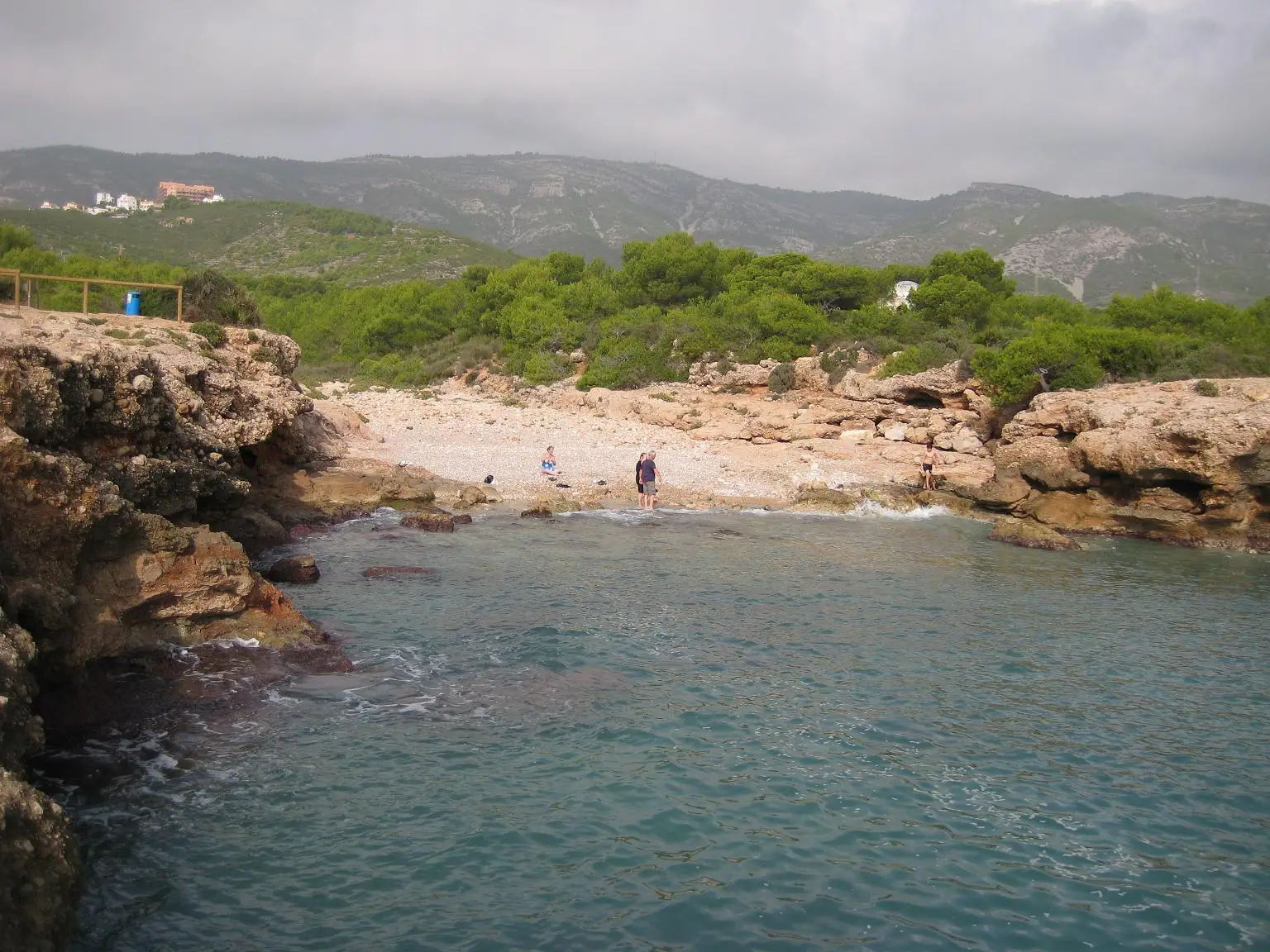
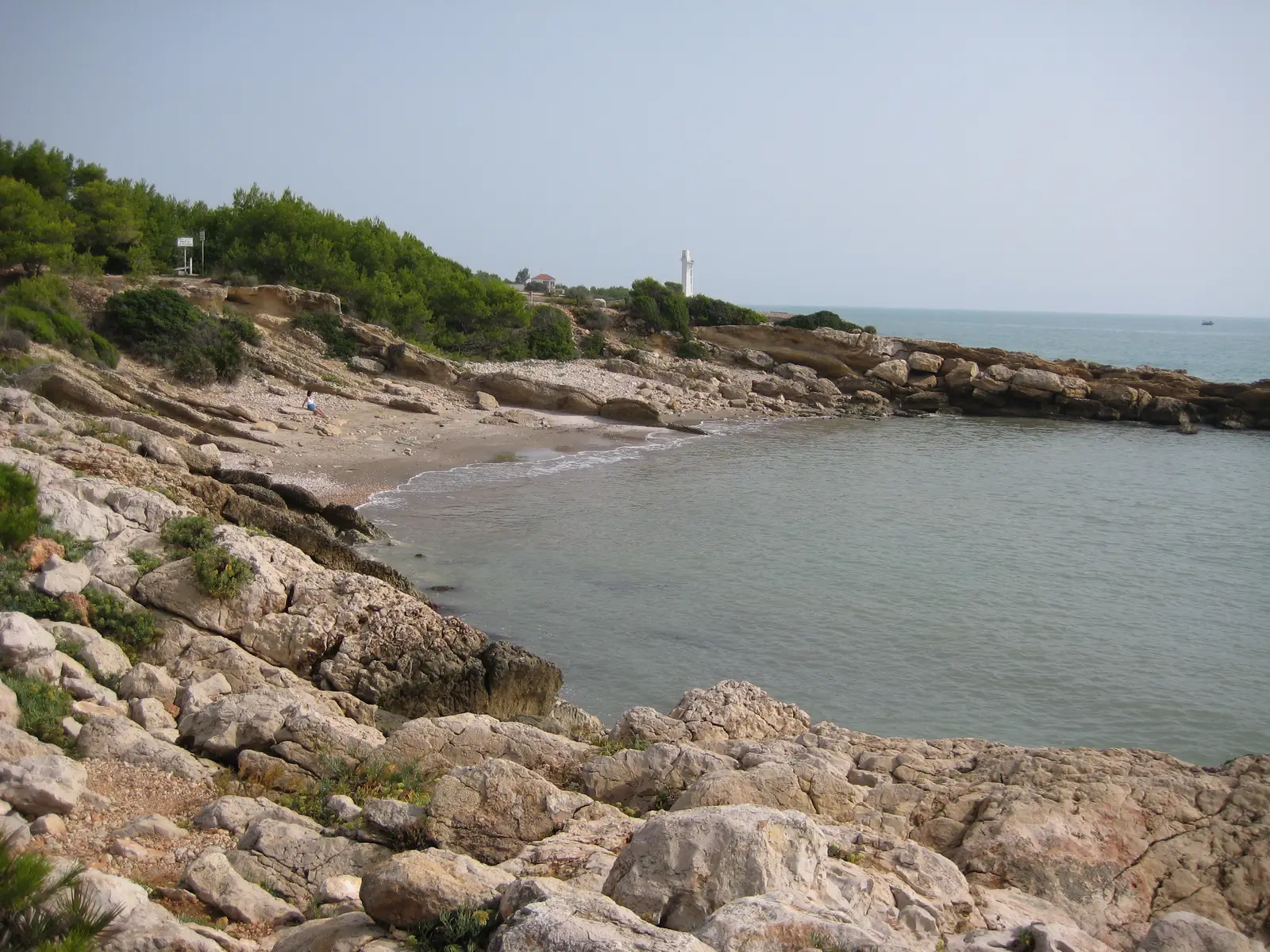
Cala Mundina, at the southern edge of the Serra d'Irta Natural Park, in Alcossebre
Columbusalbus, CC BY-SA 4.0, Wikimedia Commons

Cala Mundina, below the Alcossebre lighthouse, is the most popular cove in the hills. We cover it in the Cala Mundina guide.
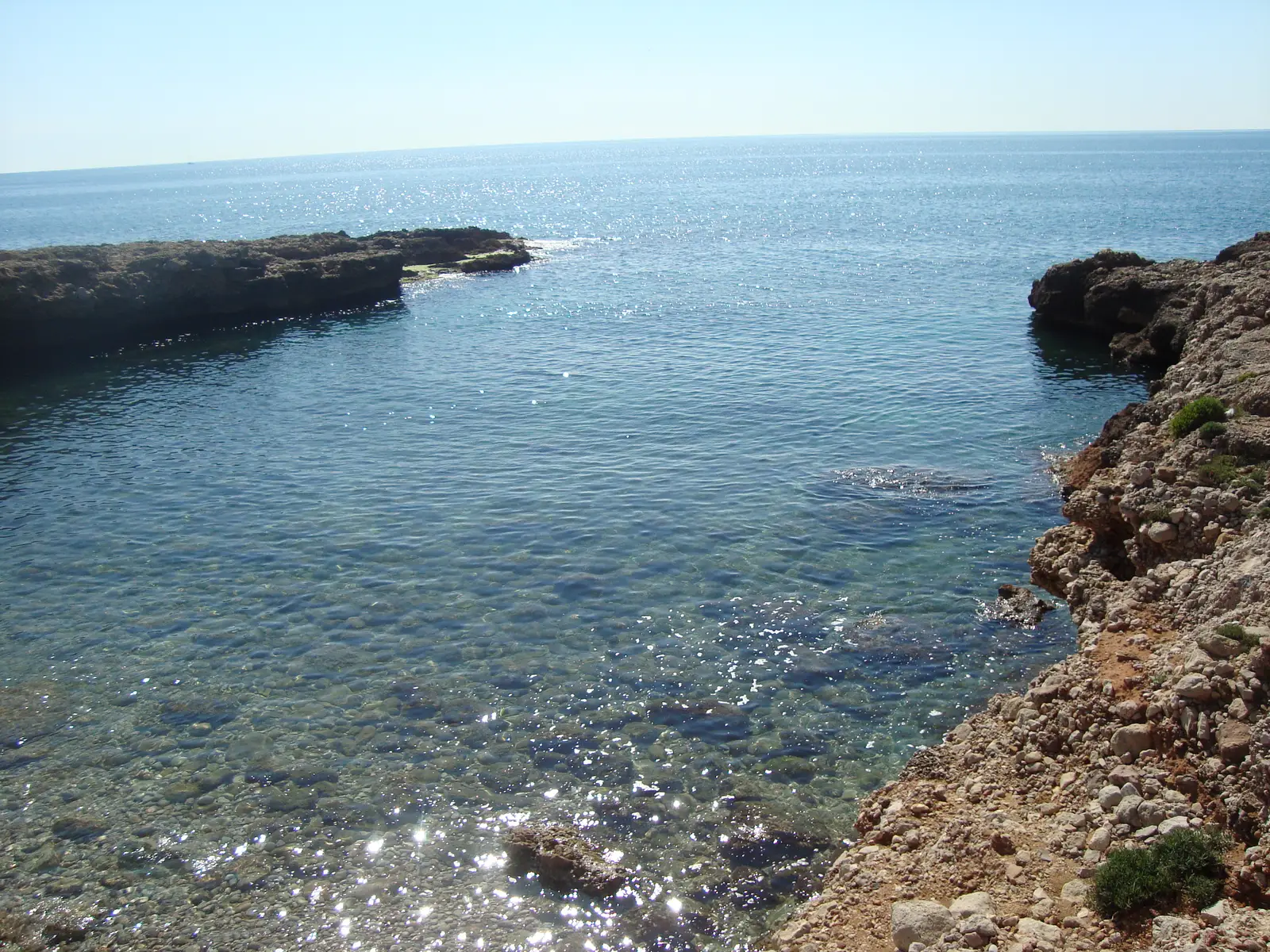
Clear water and rocks at Cala Mundina, in Alcossebre
Juan Emilio Prades Bel, CC BY-SA 4.0, Wikimedia Commons
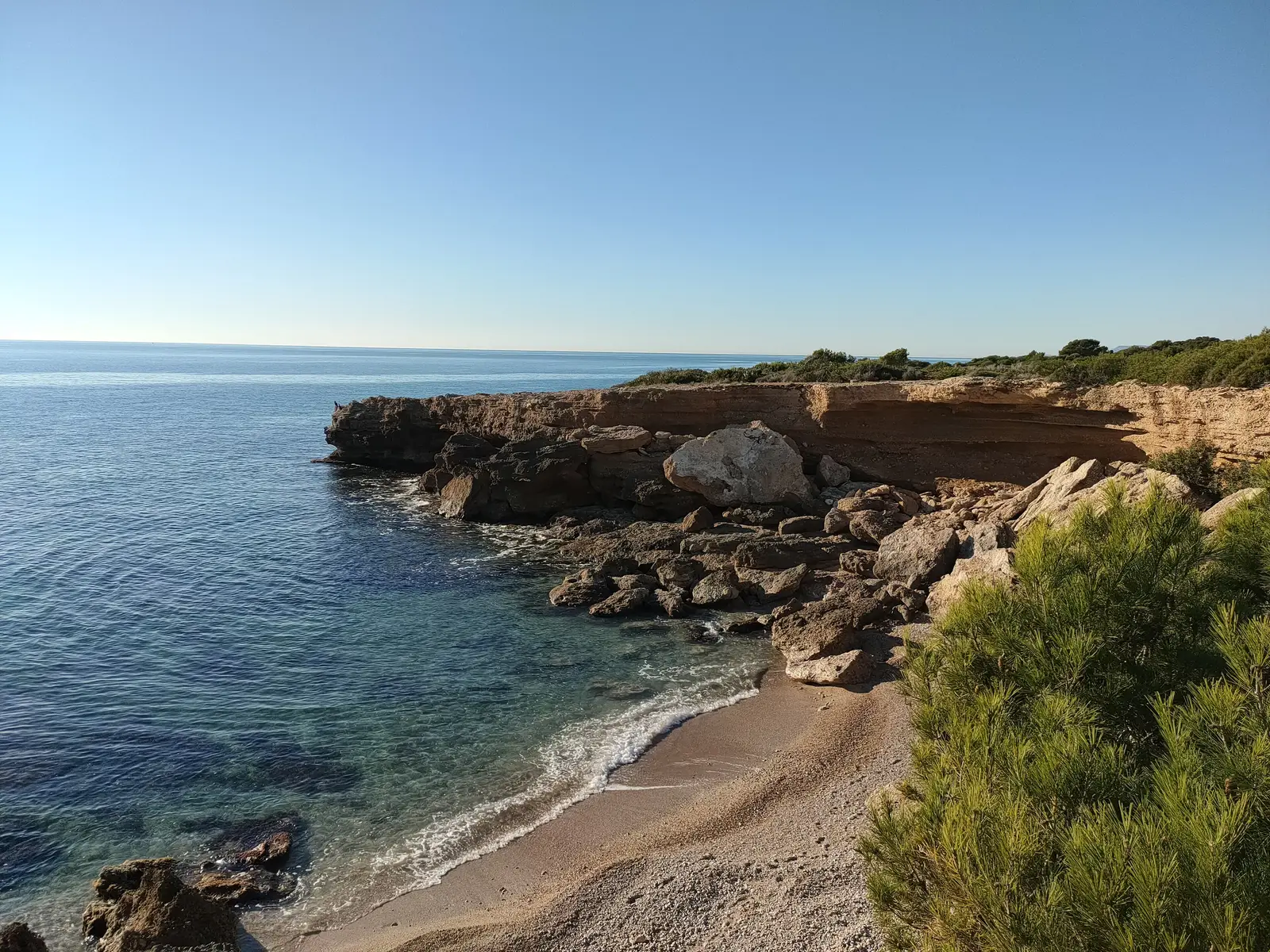
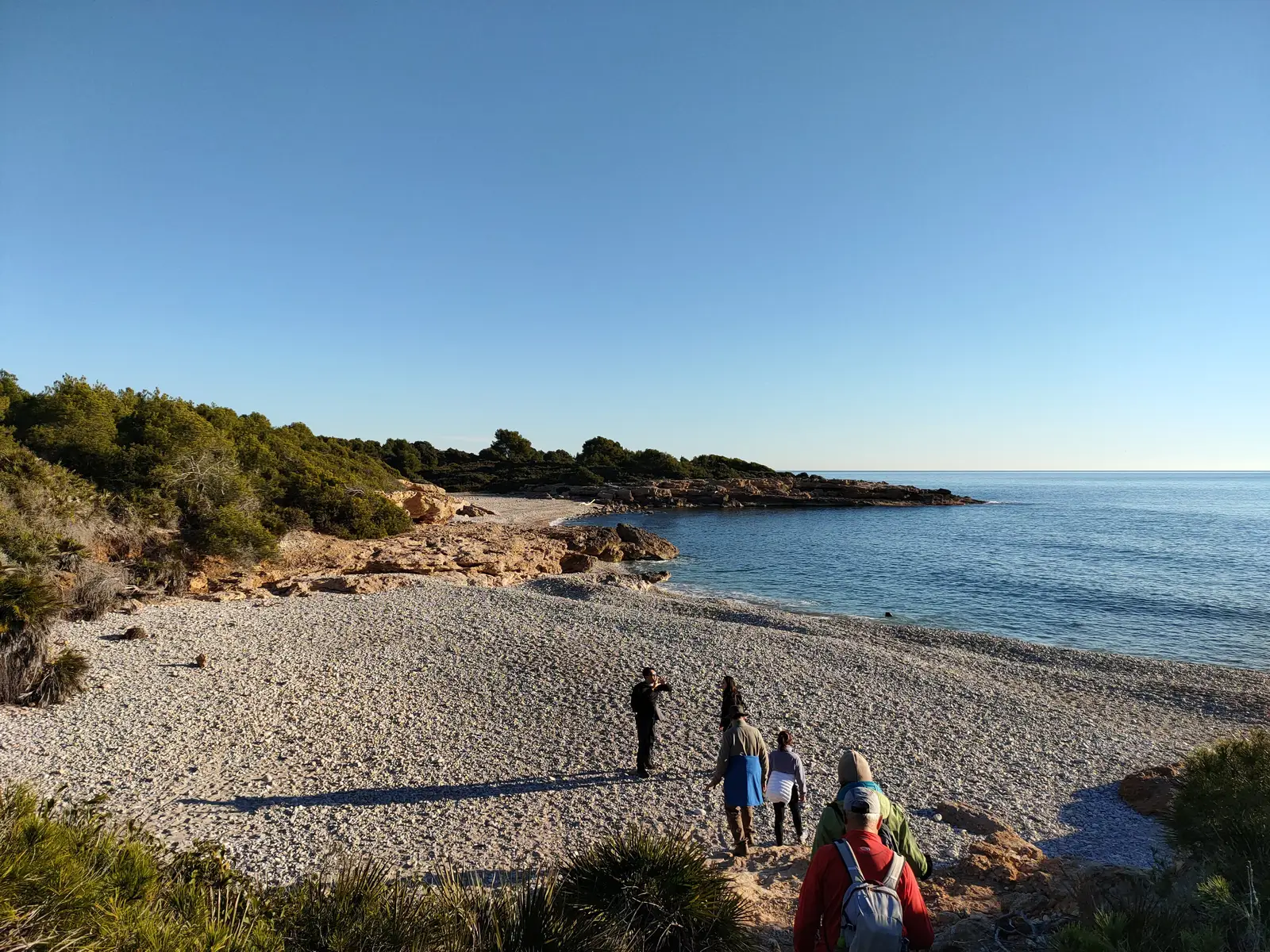
Hikers at a pebble cove in the Serra d'Irta, among pine trees
Millars, CC BY-SA 4.0, Wikimedia Commons
Small sandy cove at the foot of the rocks on the Serra d'Irta coast
Millars, CC BY-SA 4.0, Wikimedia Commons

Further north, Platja del Pebret, in Peñíscola, is the only sandy beach of any size in the hills, with a protected dune.
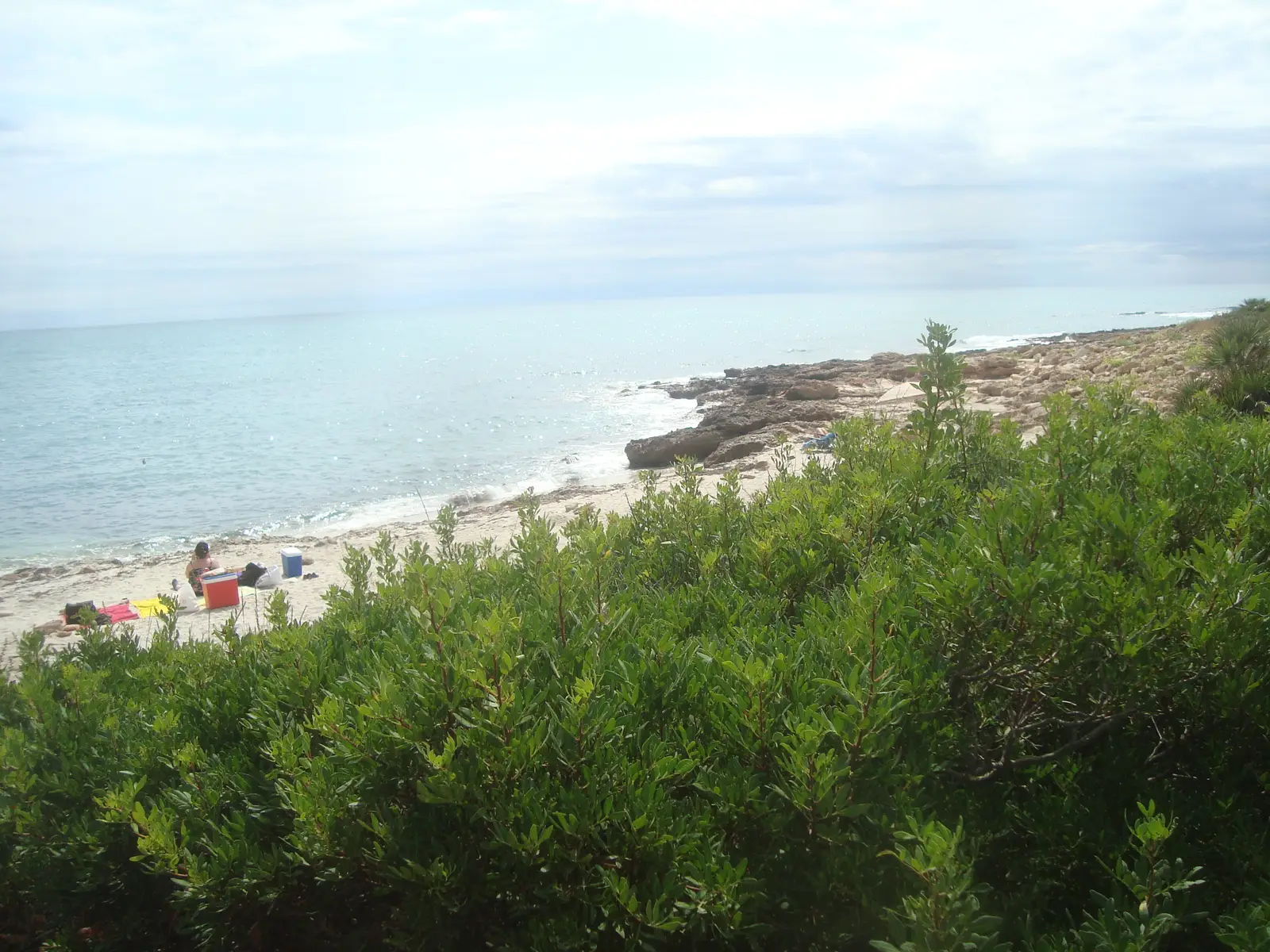
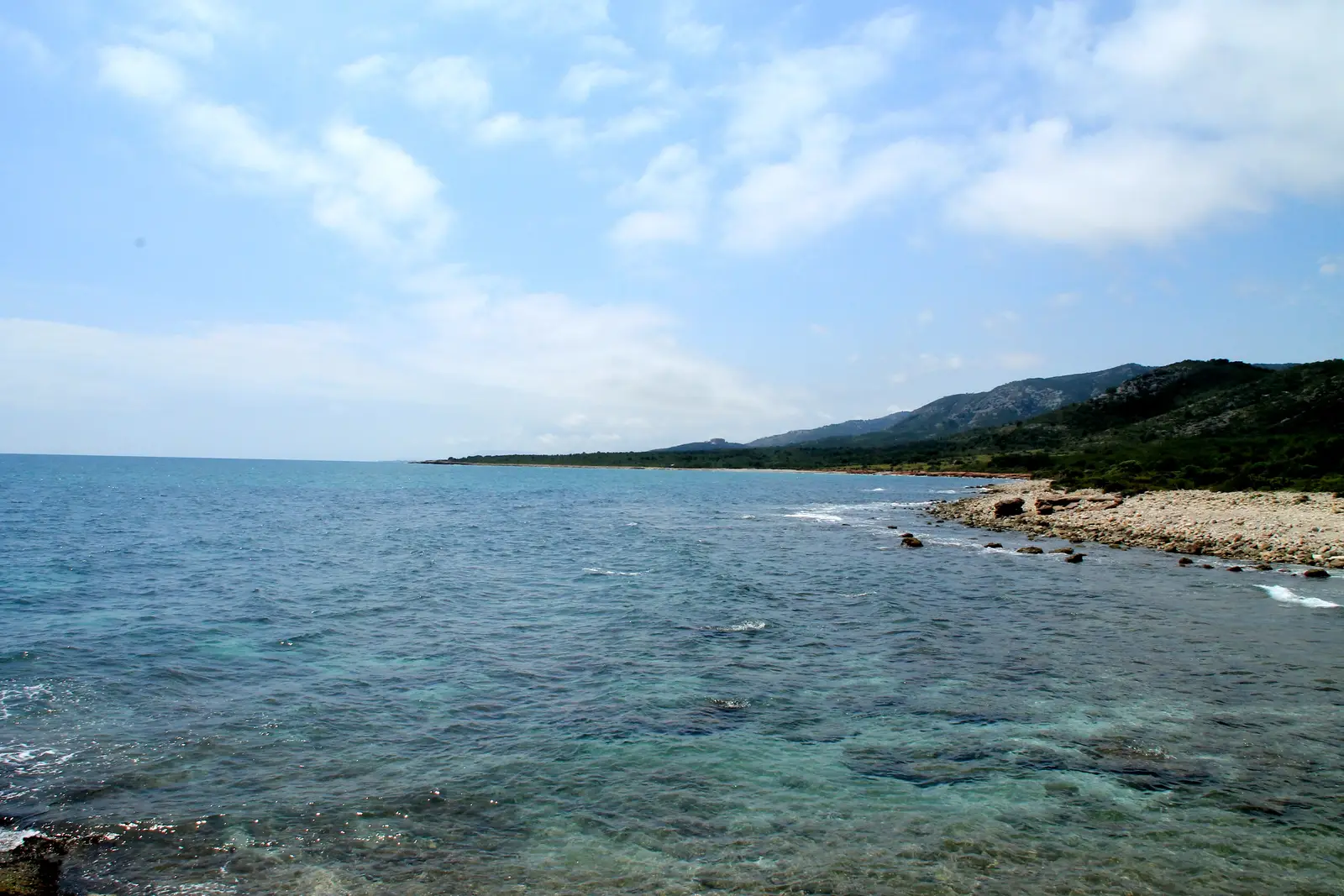
Platja del Pebret, the sandy beach of the Serra d'Irta, in Peñíscola
Juan Emilio Prades Bel, CC BY-SA 4.0, Wikimedia Commons
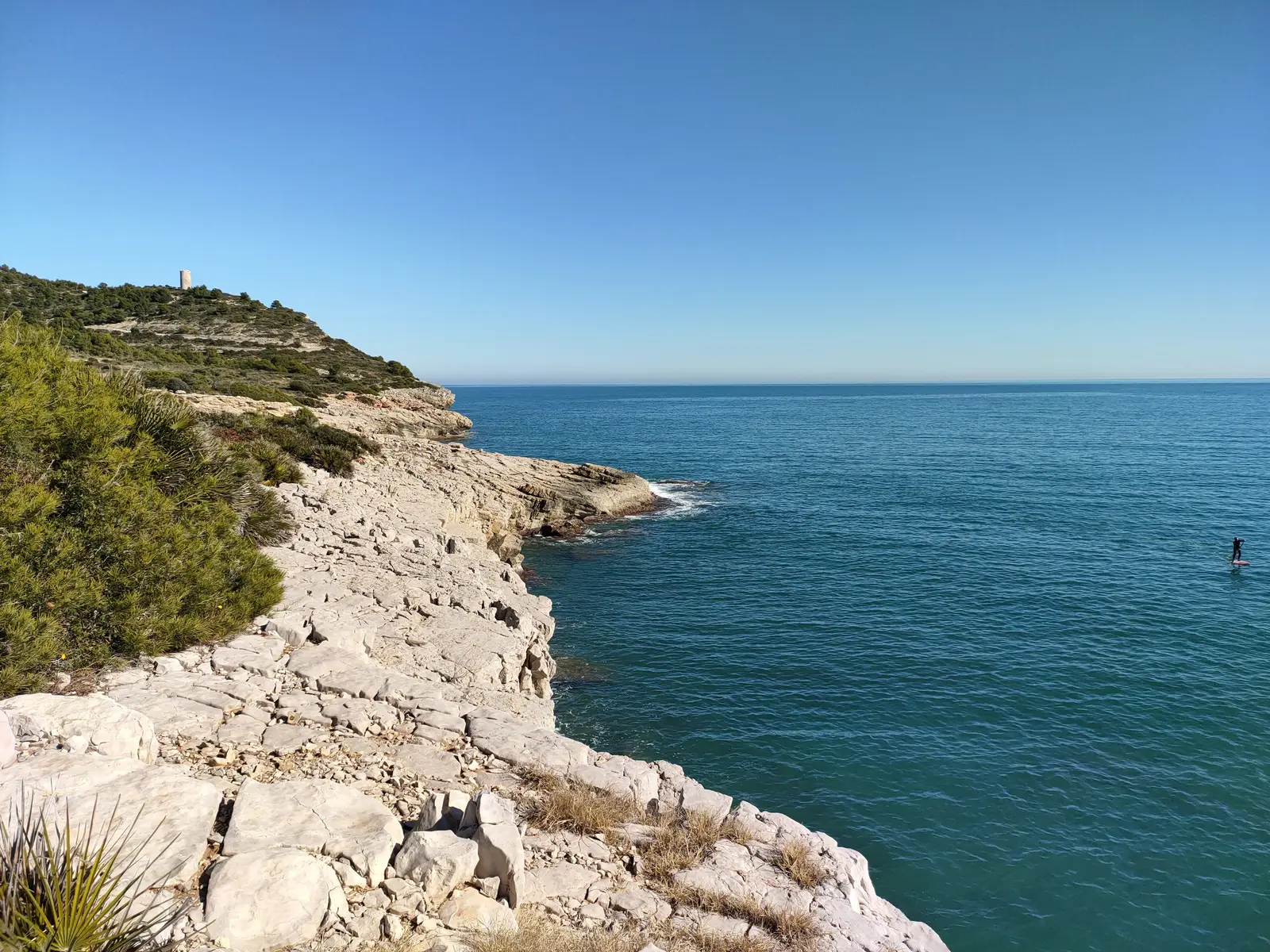
The coast at Platja d'Irta, with the hills in the background
sergioski1982, CC BY-SA 2.0, Wikimedia Commons

The Alcossebre lighthouse

The lighthouse marks the point where the town ends and the park begins. The coast faces east, so here the sun rises over the sea. More in the Alcossebre lighthouse and Cala Blanca.
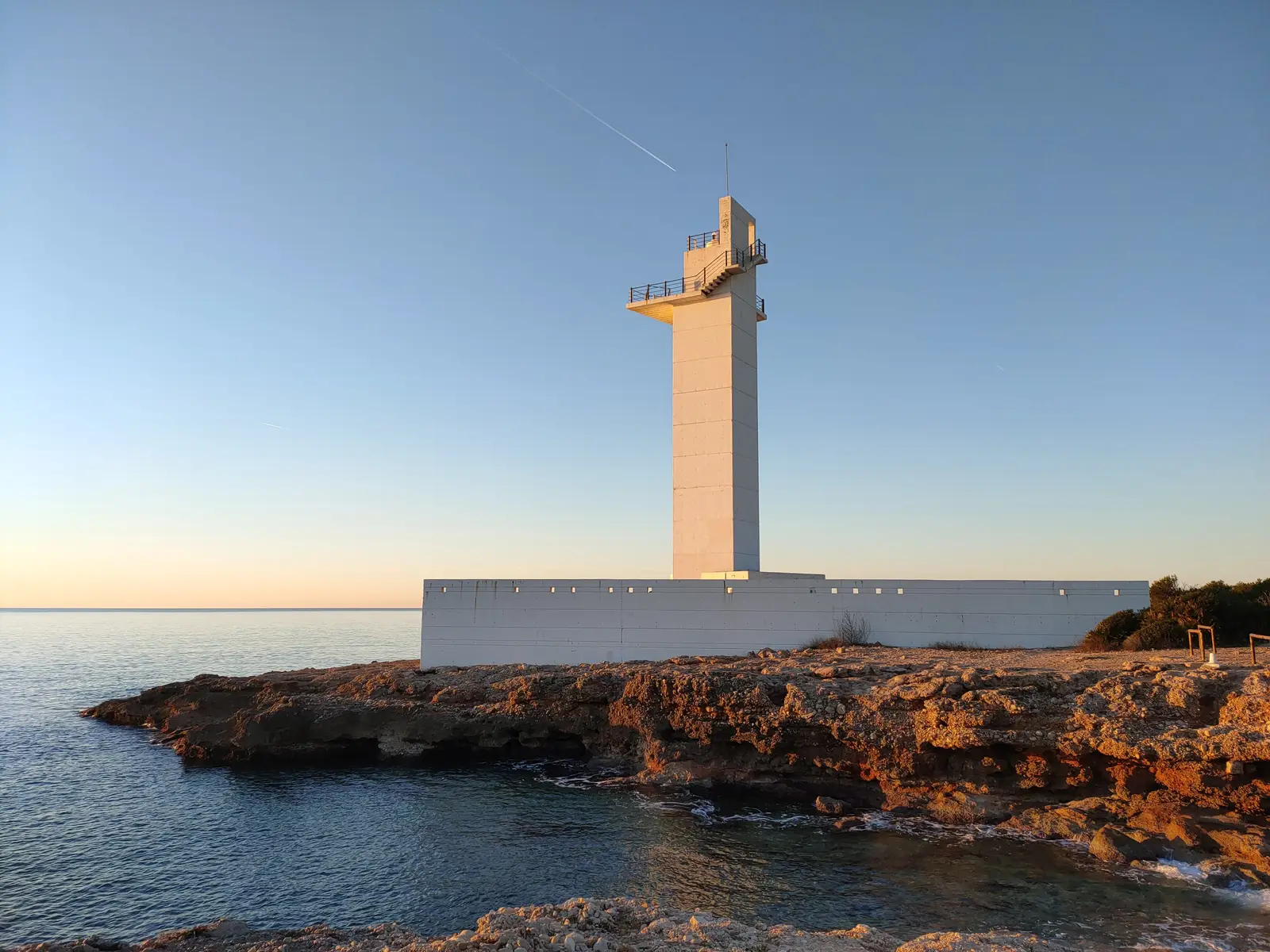
Alcossebre lighthouse at sunrise above the coastal rocks, at the entrance to the Serra d'Irta
Millars, CC BY-SA 4.0, Wikimedia Commons
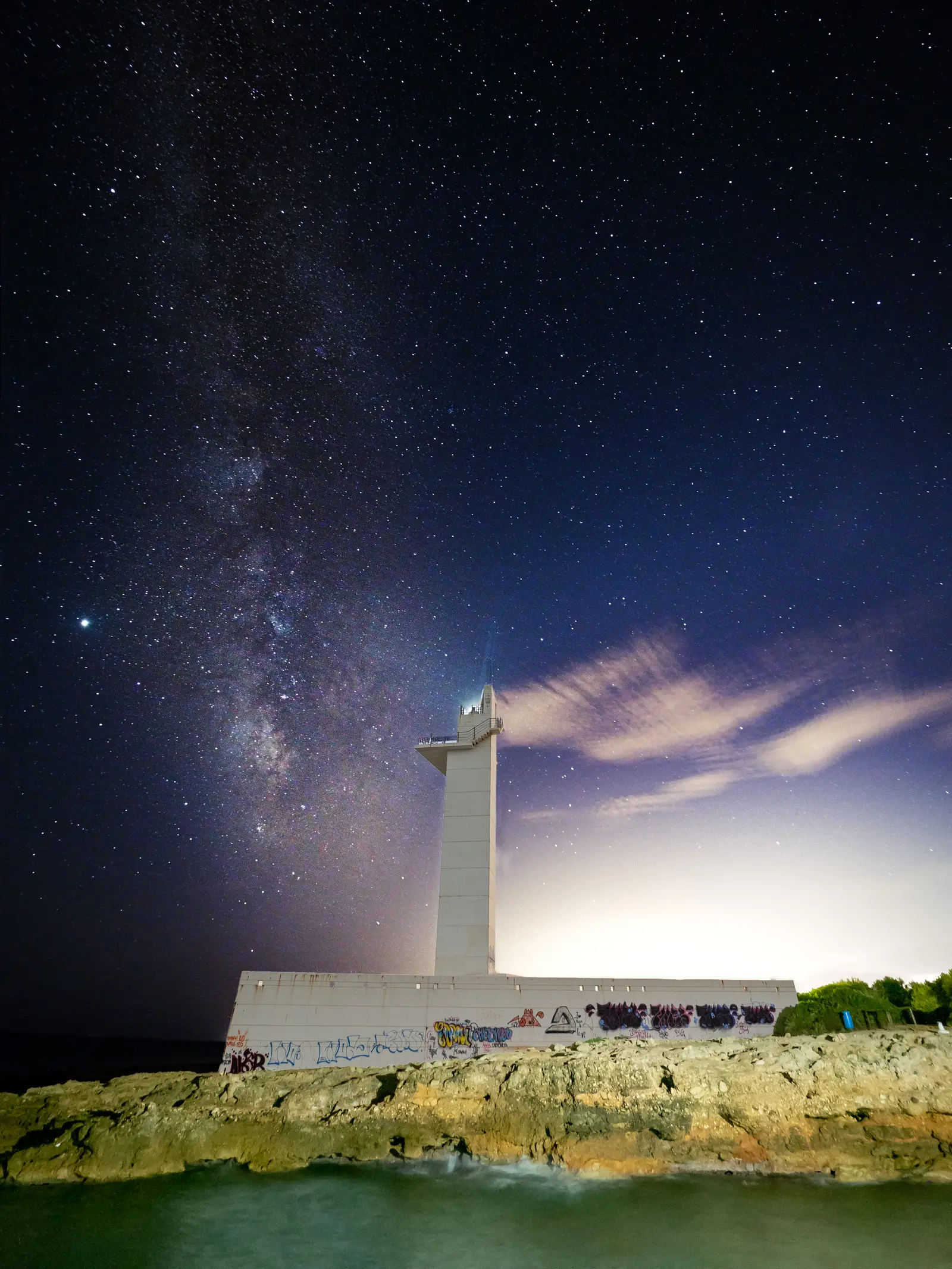
Alcossebre lighthouse at night under the Milky Way, at the entrance to the Serra d'Irta
E.R.R, CC BY-SA 2.0, Wikimedia Commons
Cala Blanca in Alcossebre with the lighthouse behind, the starting point for Serra d'Irta walks
Columbusalbus, CC BY-SA 4.0, Wikimedia Commons
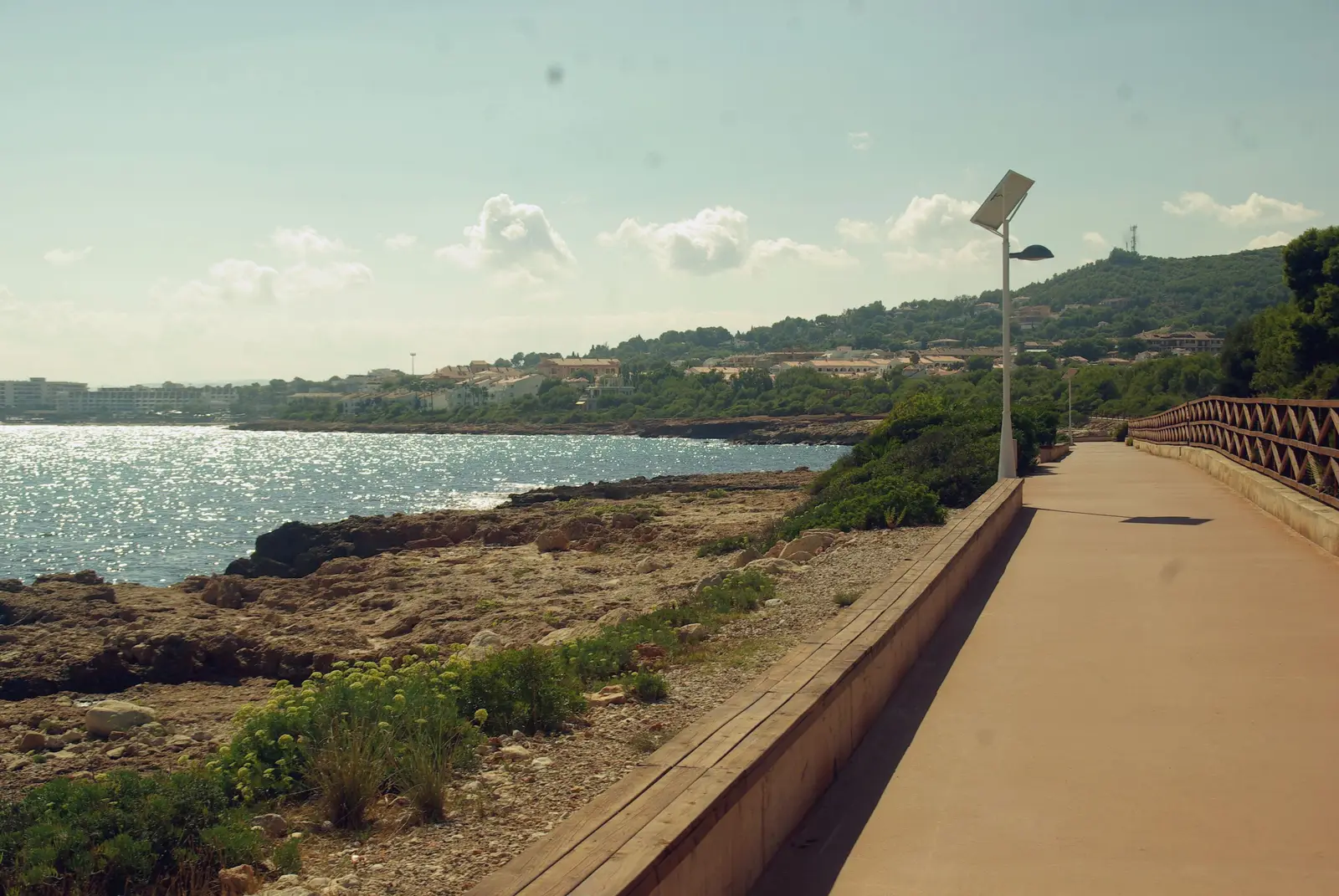
Alcossebre coastal path towards the lighthouse, alongside the rocky shore
Concepcion AMAT ORTA, CC BY 3.0, Wikimedia Commons

Watchtowers

Torre Badum looks out over the second-highest cliff in the Valencian Community; Torre Ebrí watches over the coast from 496 m up. Their history is in the natural park in depth.
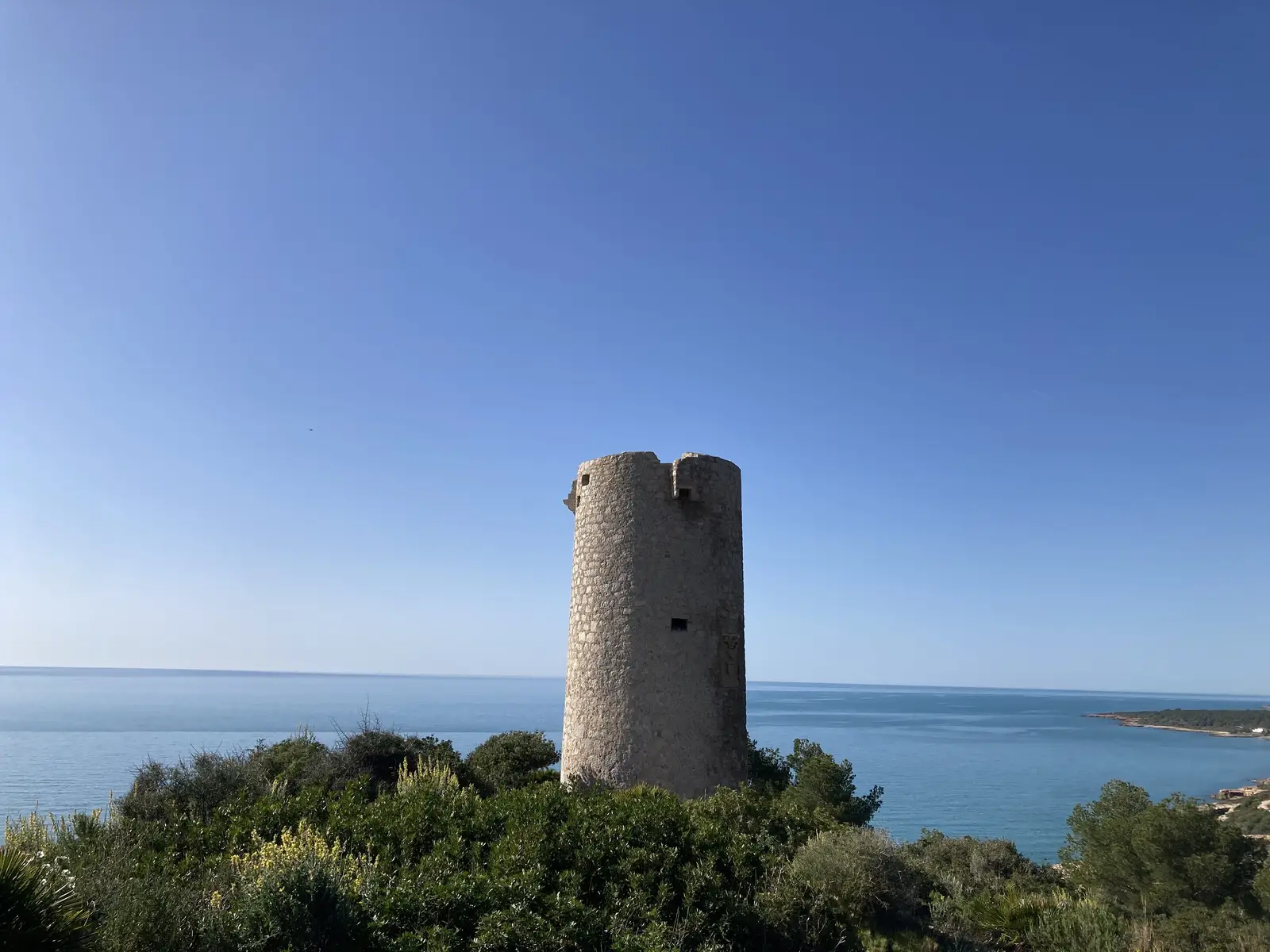
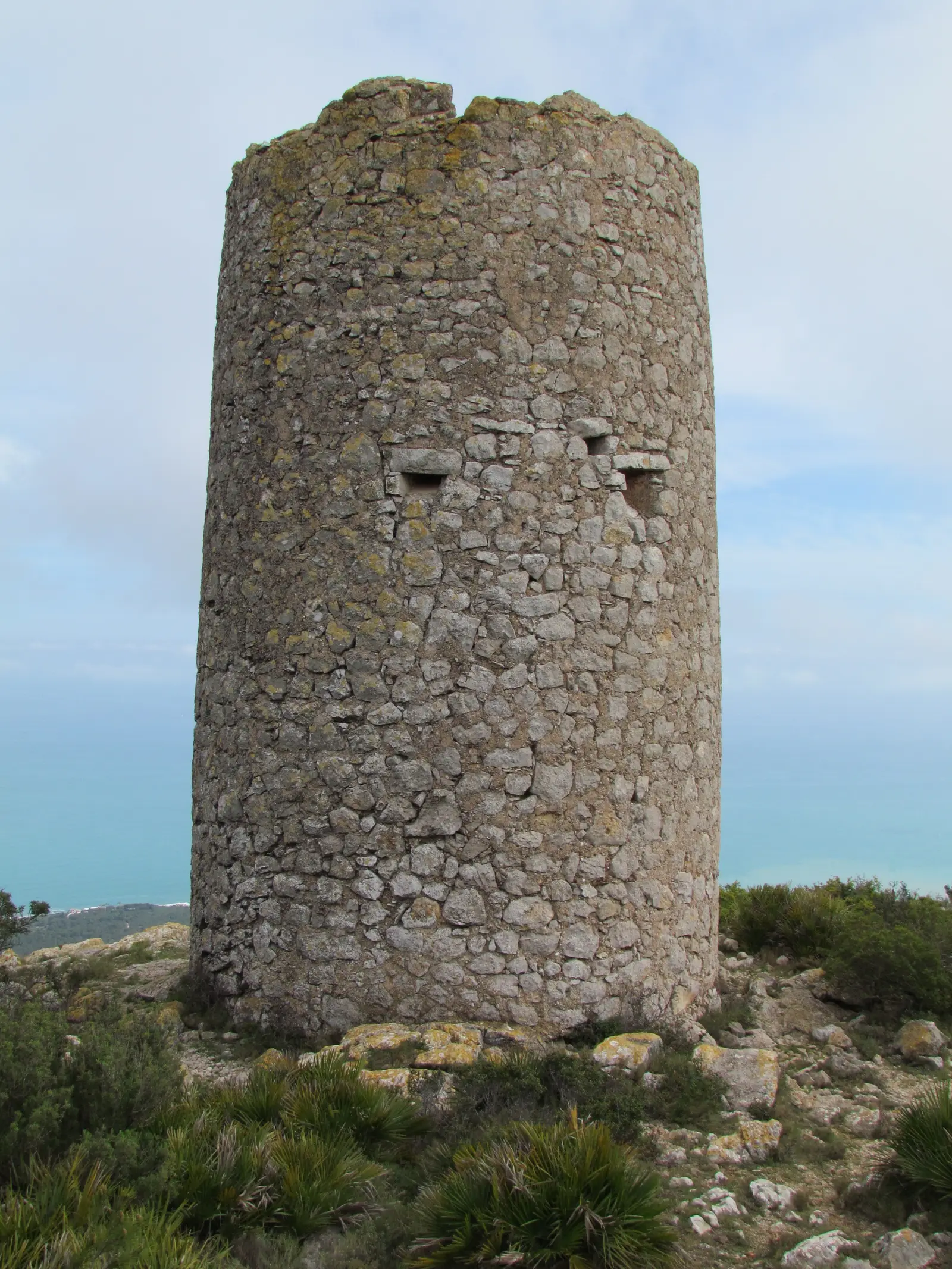
Torre Badum, a round watchtower on the Serra d'Irta cliffs in Peñíscola
Romang, CC BY 4.0, Wikimedia Commons
Torre Ebrí, a round stone watchtower at 496 m in the Serra d'Irta
Columbusalbus, CC BY-SA 3.0, Wikimedia Commons

Xivert and Polpís castles

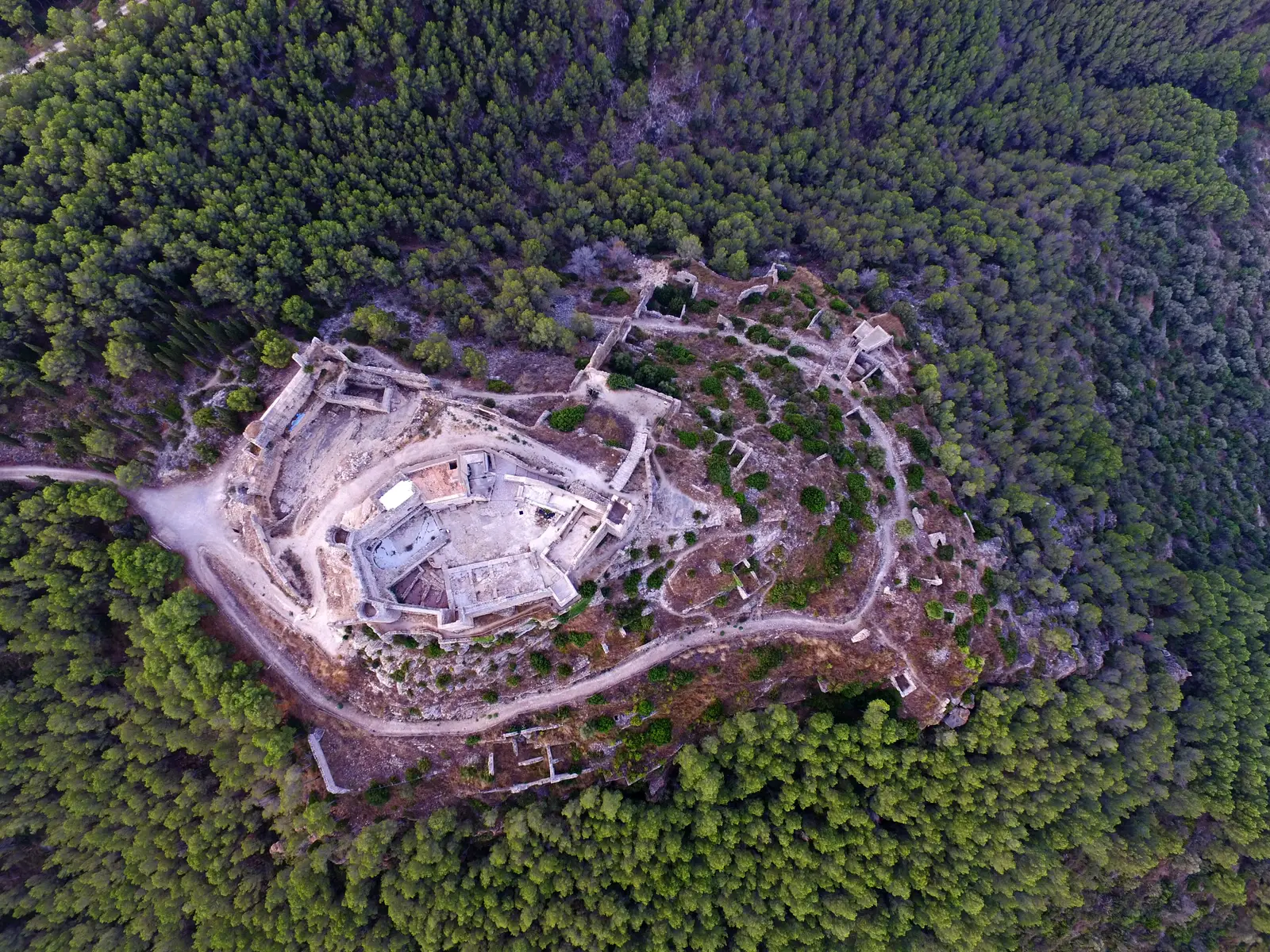
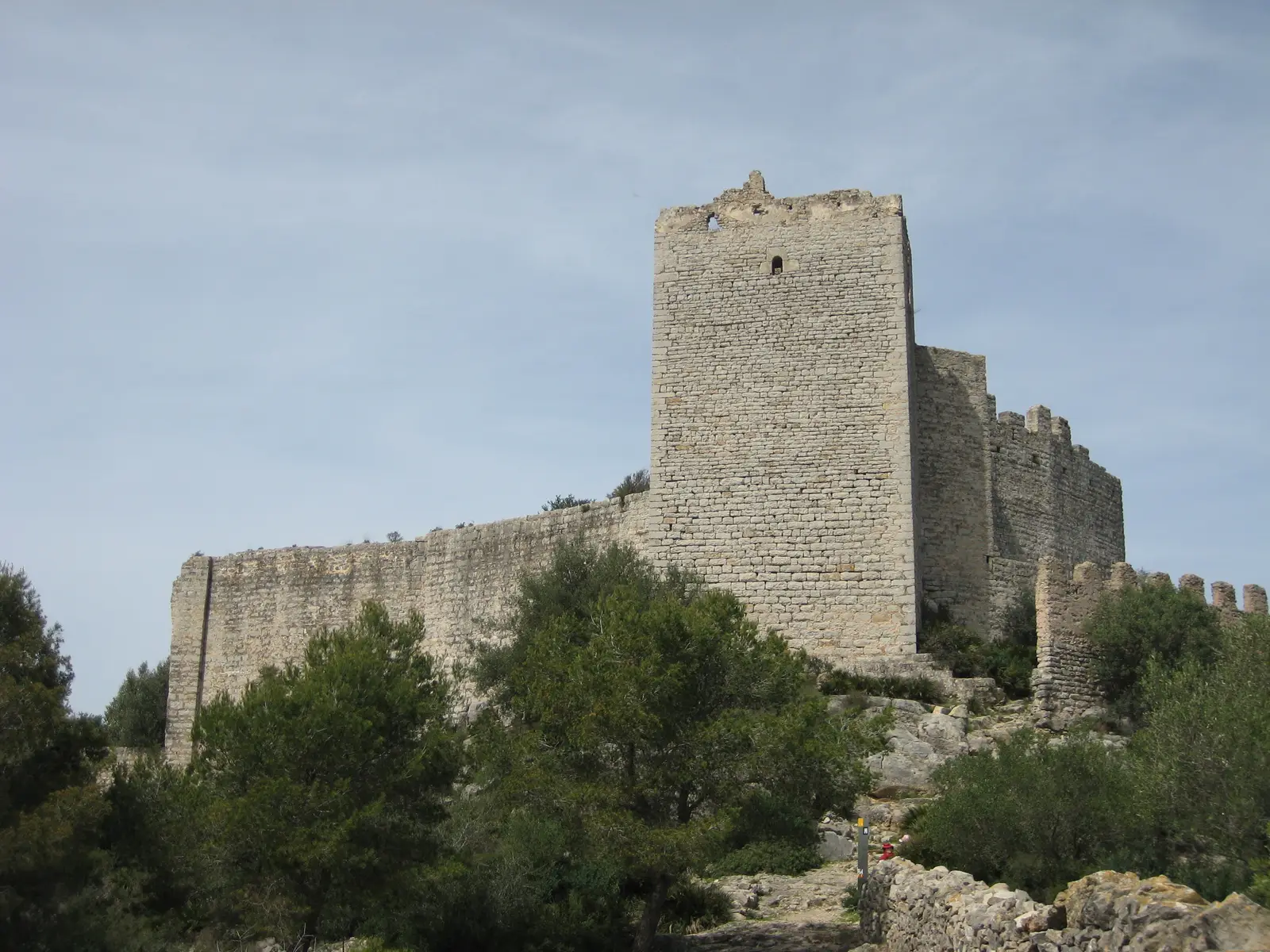
Two fortresses of Muslim origin that passed to the Templars. Xivert Castle overlooks Alcalà de Xivert from the top of a pine-covered hill; at Polpís Castle the keep is still standing.
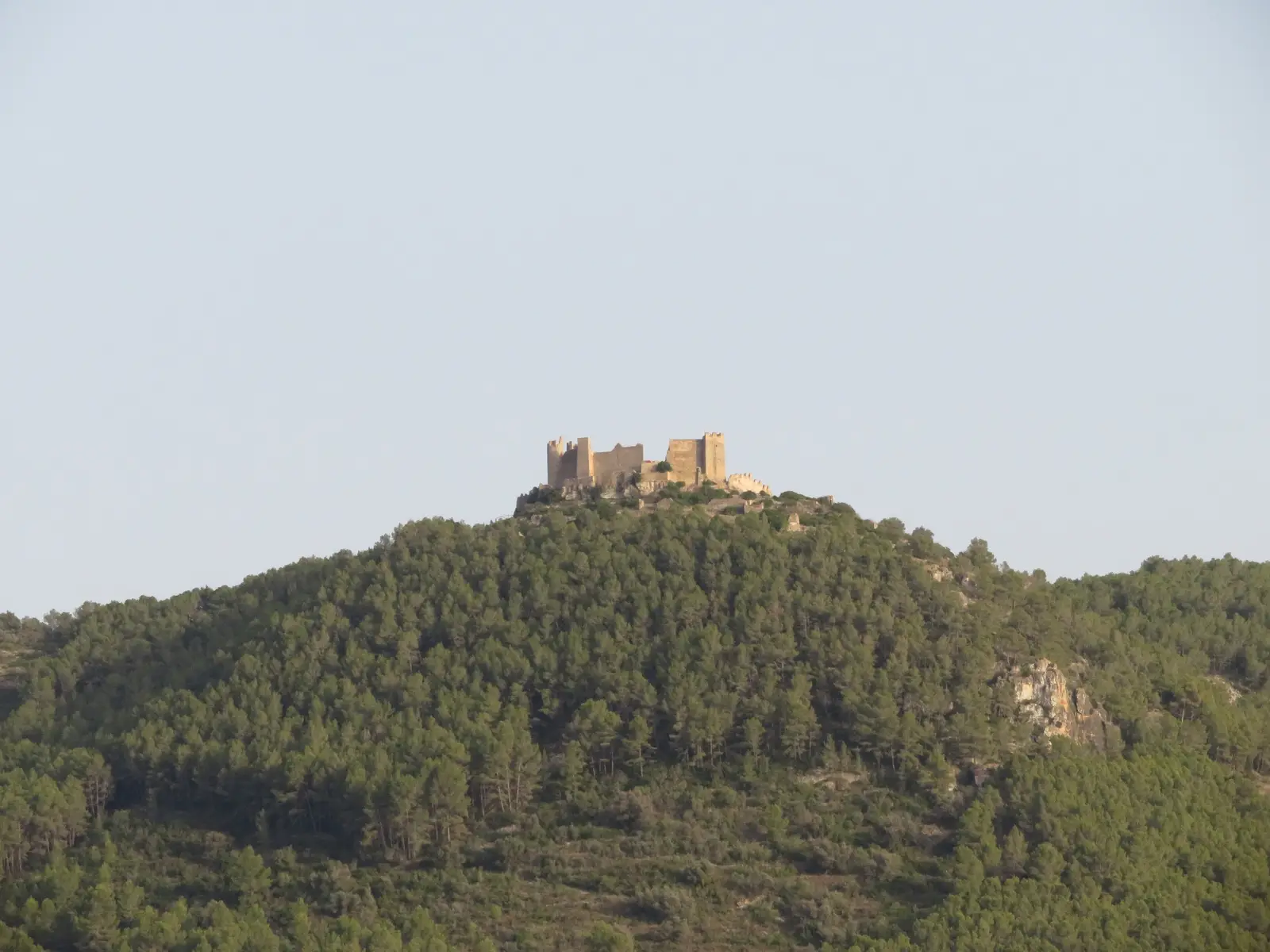
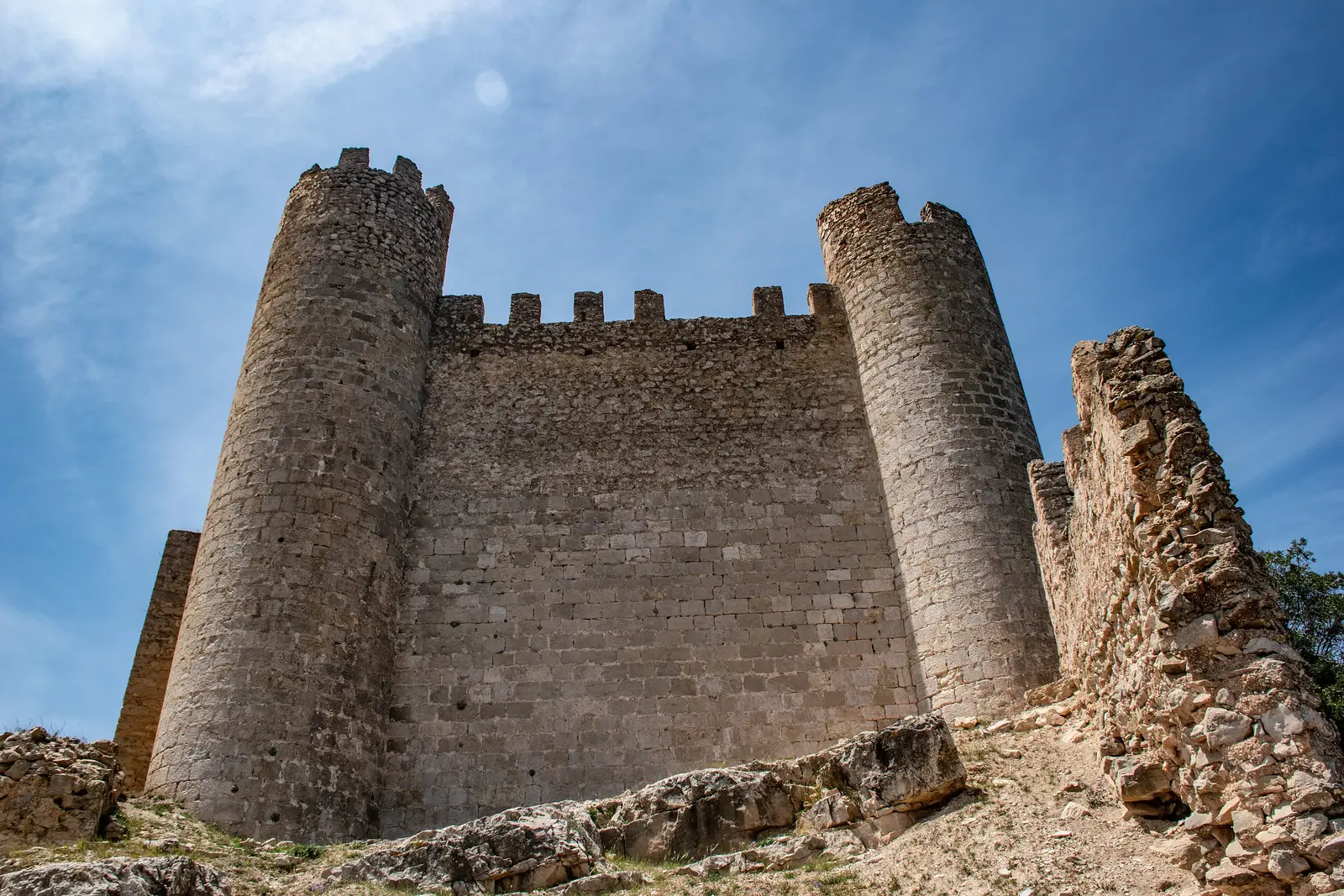
Xivert Castle on top of a pine-covered hill in the Serra d'Irta
Juan Emilio Prades Bel, CC BY-SA 4.0, Wikimedia Commons
Templar towers of Xivert Castle, in Alcalà de Xivert
Magnificus, CC BY-SA 4.0, Wikimedia Commons
Aerial view of Xivert Castle and the walled Morisco village, surrounded by pine woods
Parestesias, CC BY-SA 4.0, Wikimedia Commons
Polpís Castle, with its keep, in Santa Magdalena de Pulpis
Columbusalbus, CC BY-SA 3.0, Wikimedia Commons

Hermitages and viewpoints

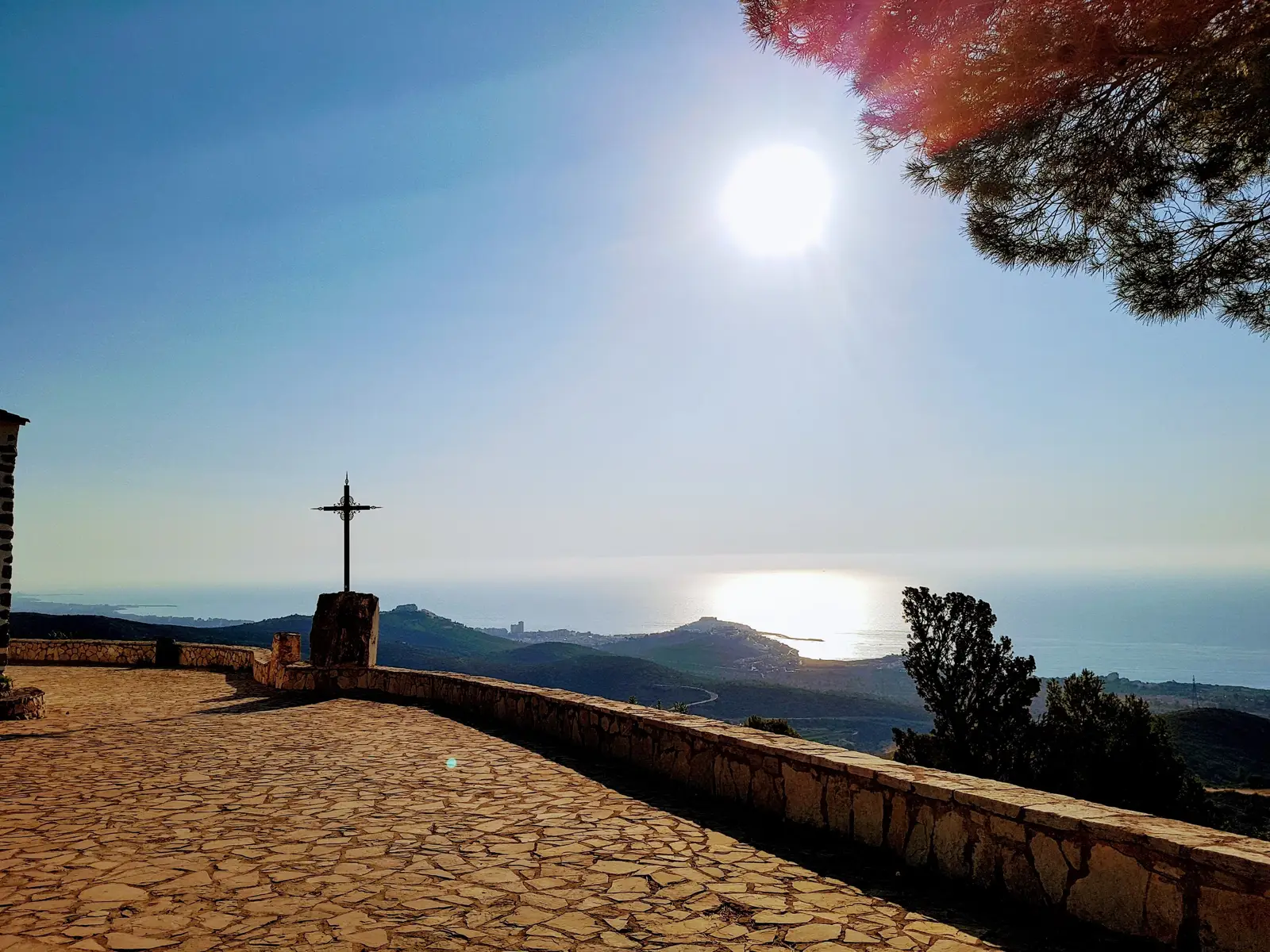
The Santa Llúcia i Sant Benet hermitage, 312 m above Alcossebre, is reached on a 1.3 km path along route 5. The Sant Antoni hermitage, in Peñíscola, is the end of route 7, the ridge traverse. Both are in the Serra d'Irta routes.
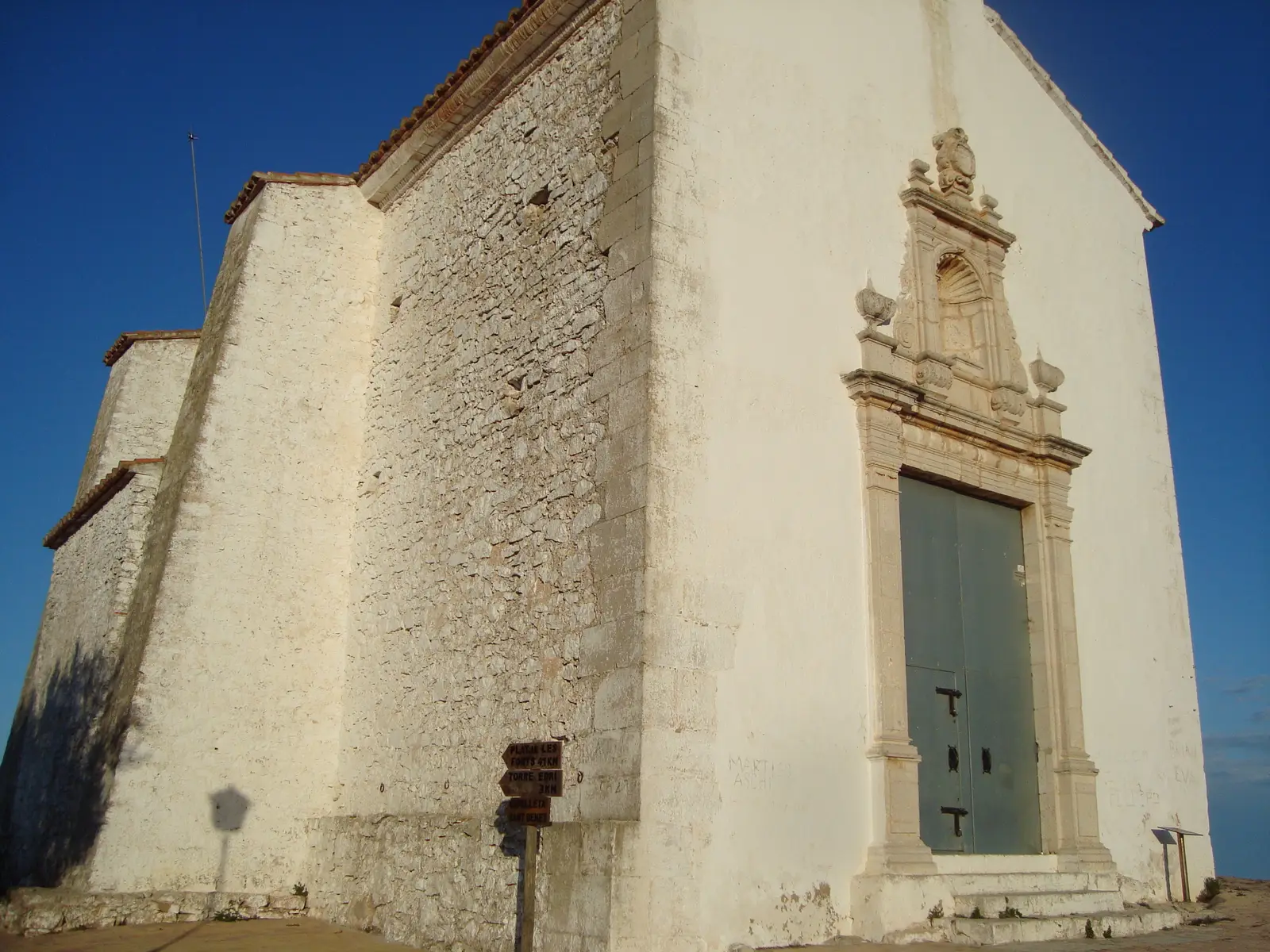
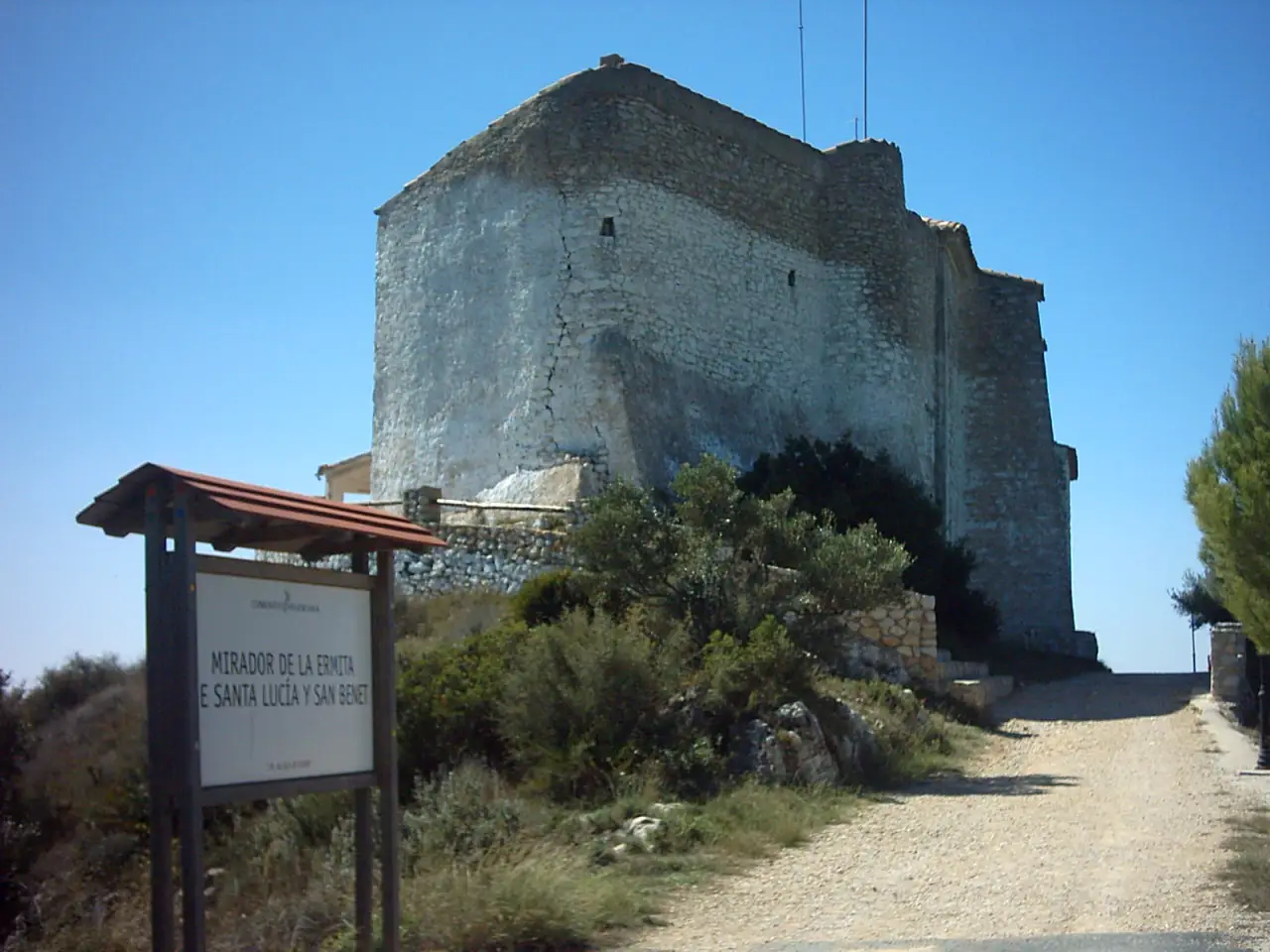
Baroque façade of the Santa Llúcia i Sant Benet hermitage in the Serra d'Irta (Alcalà de Xivert)
Juan Emilio Prades Bel, CC BY-SA 4.0, Wikimedia Commons
The Santa Llúcia i Sant Benet hermitage and the viewpoint sign, above Alcossebre
Juan Emilio Prades Bel, CC BY-SA 4.0, Wikimedia Commons
Viewpoint with a cross at the Sant Antoni hermitage in the Serra d'Irta (Peñíscola), with the sea behind
Barrigijon, CC BY-SA 4.0, Wikimedia Commons

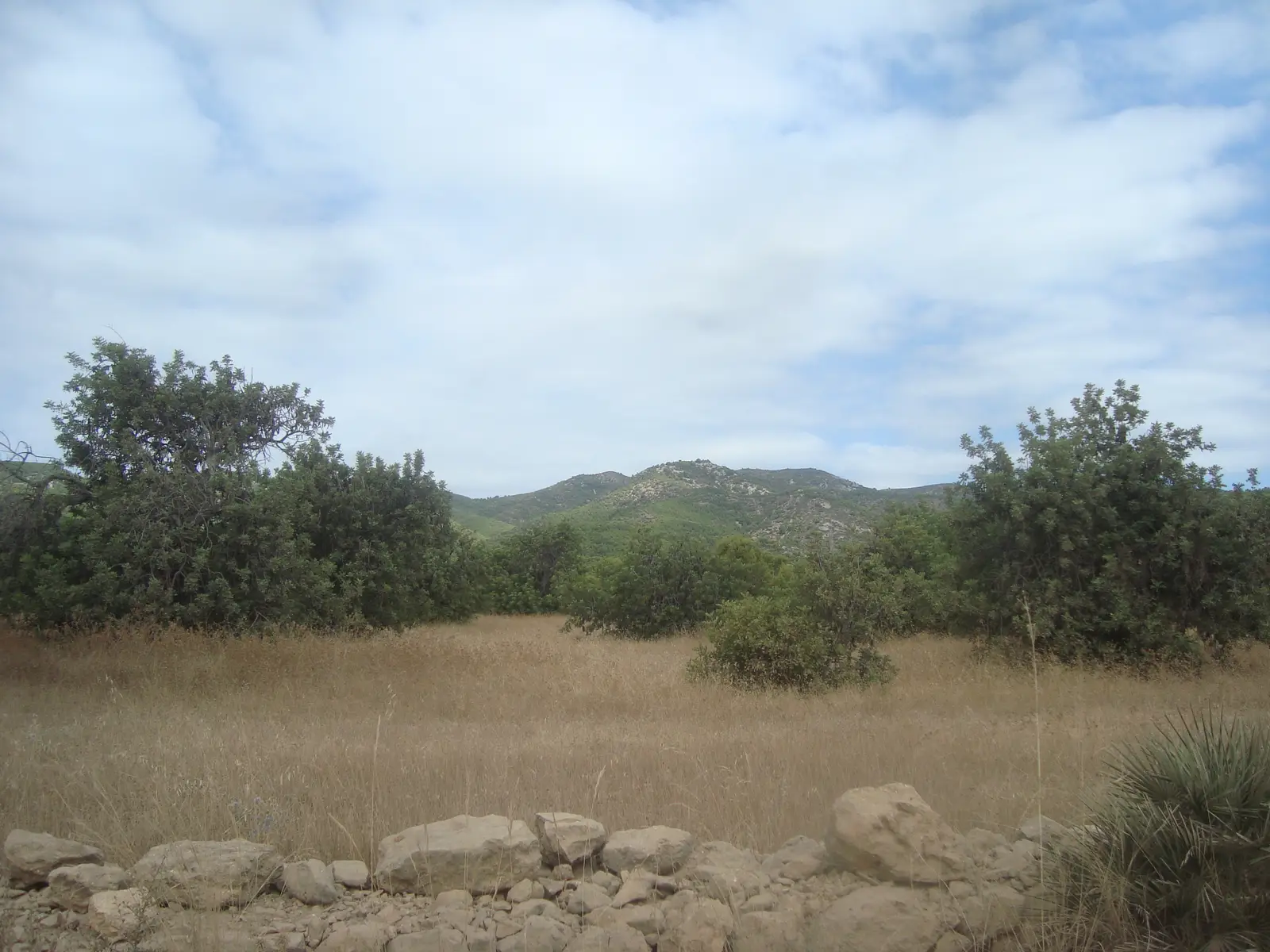
The inland landscape: dwarf palms, carob trees and dry stone

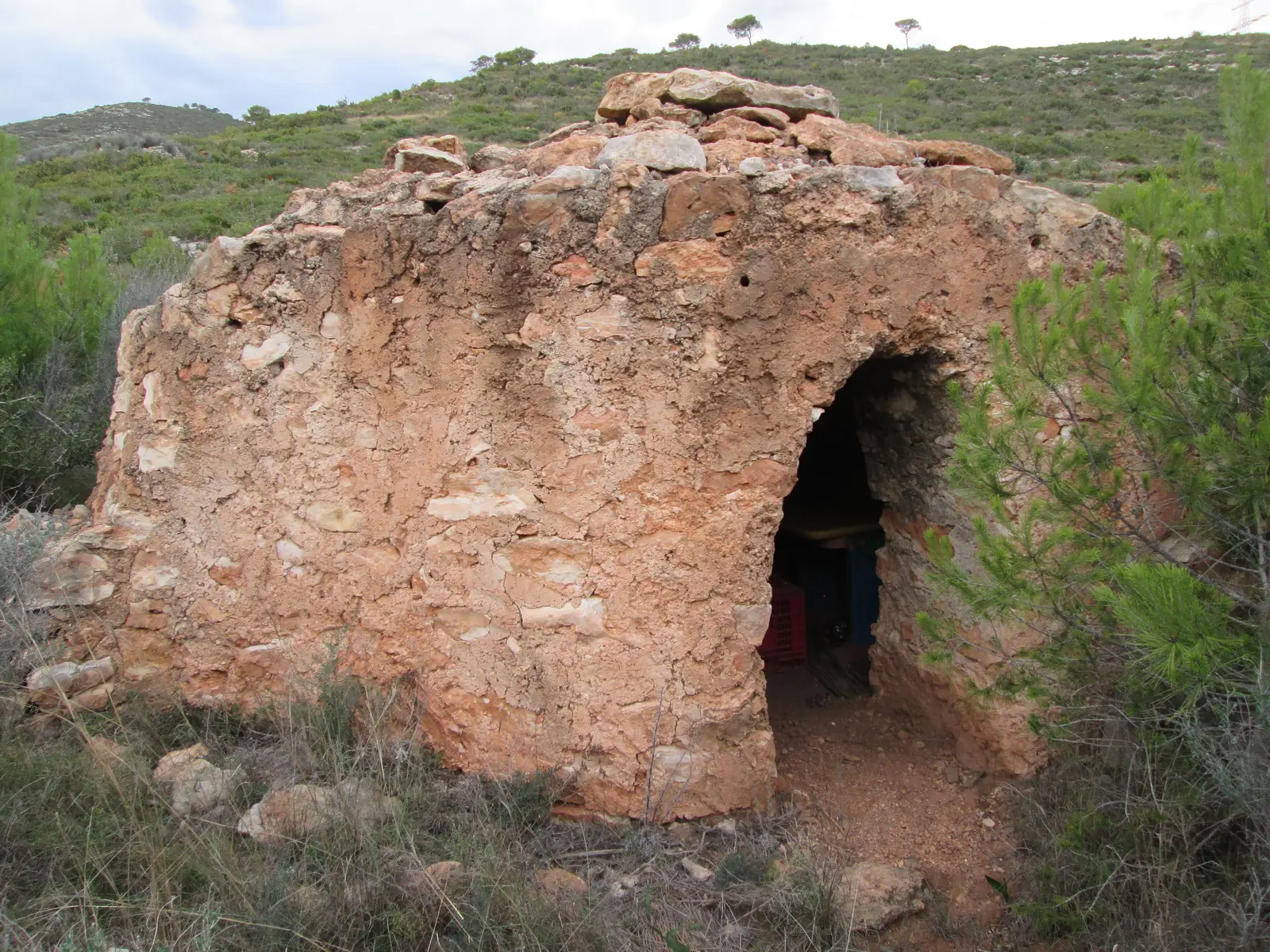
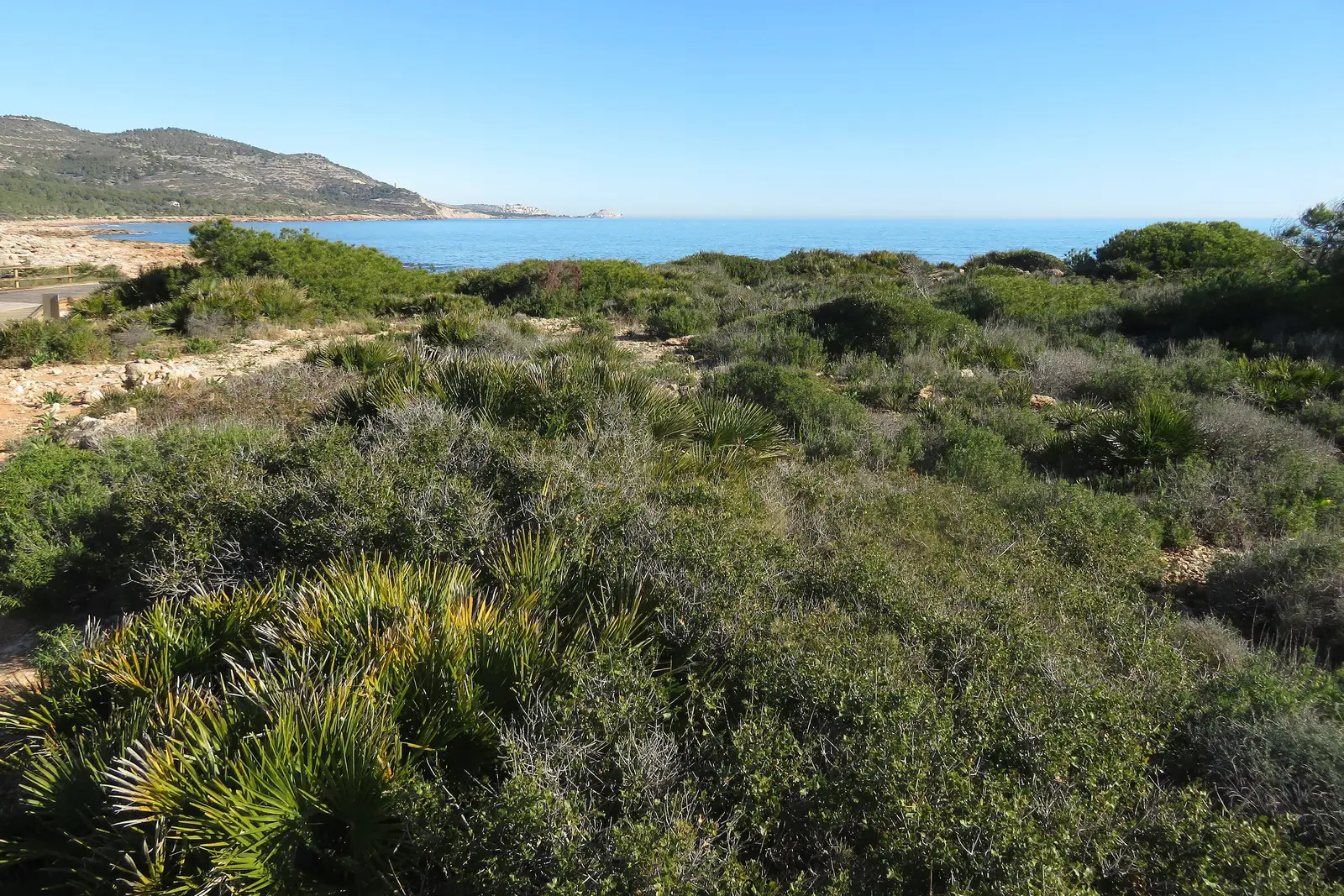
Scrub of dwarf fan palm, Europe's only native palm, covers much of the hills. Among the pine woods are terraces of carob trees and the dry-stone huts of the old farmers.
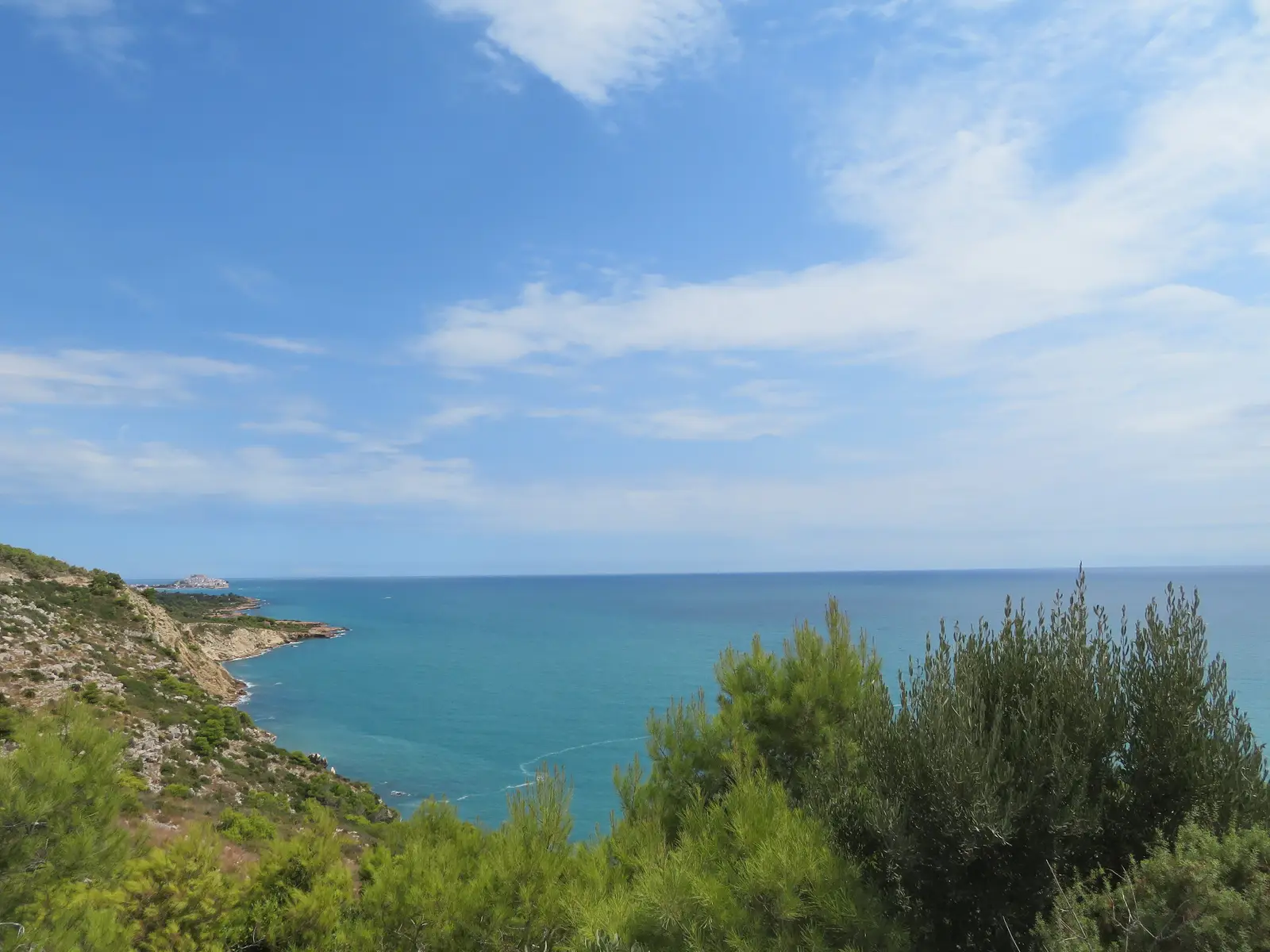
Panoramic view of the Serra d'Irta from Torre Badum, with pine woods above the sea and an undeveloped coastline
Juan Emilio Prades Bel, CC BY-SA 4.0, Wikimedia Commons
Dwarf fan palm and mastic scrub by the Serra d'Irta coast
Donarreiskoffer, CC BY-SA 4.0, Wikimedia Commons
Carob grove with a dry-stone wall, a traditional Serra d'Irta landscape
Juan Emilio Prades Bel, CC BY-SA 4.0, Wikimedia Commons
Dry-stone farmer's hut in the Serra d'Irta
GregorioMF, CC BY-SA 4.0, Wikimedia Commons
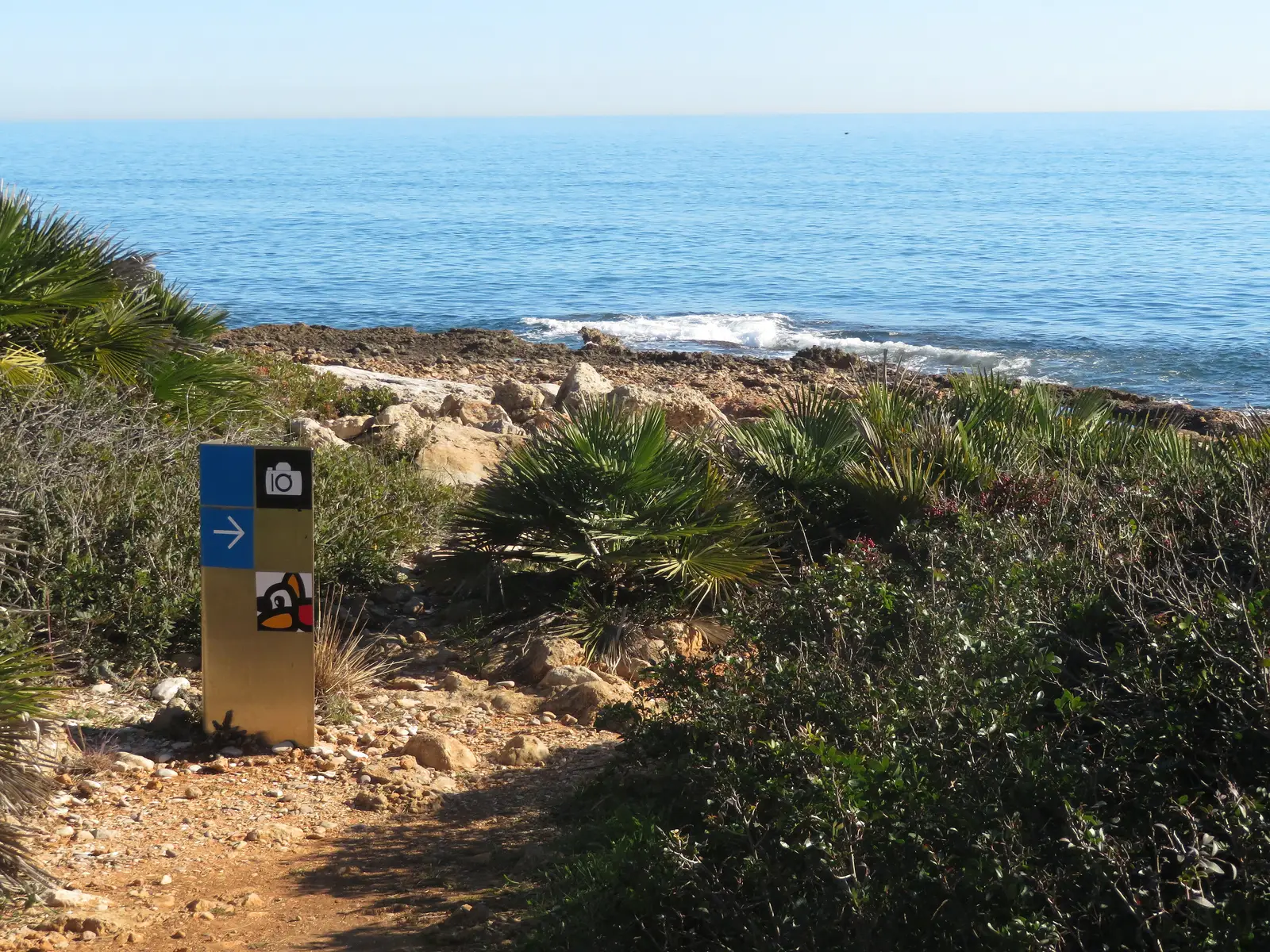
Waymark beside the Serra d'Irta coastal path, among dwarf palms and rocks
Donarreiskoffer, CC BY-SA 4.0, Wikimedia Commons
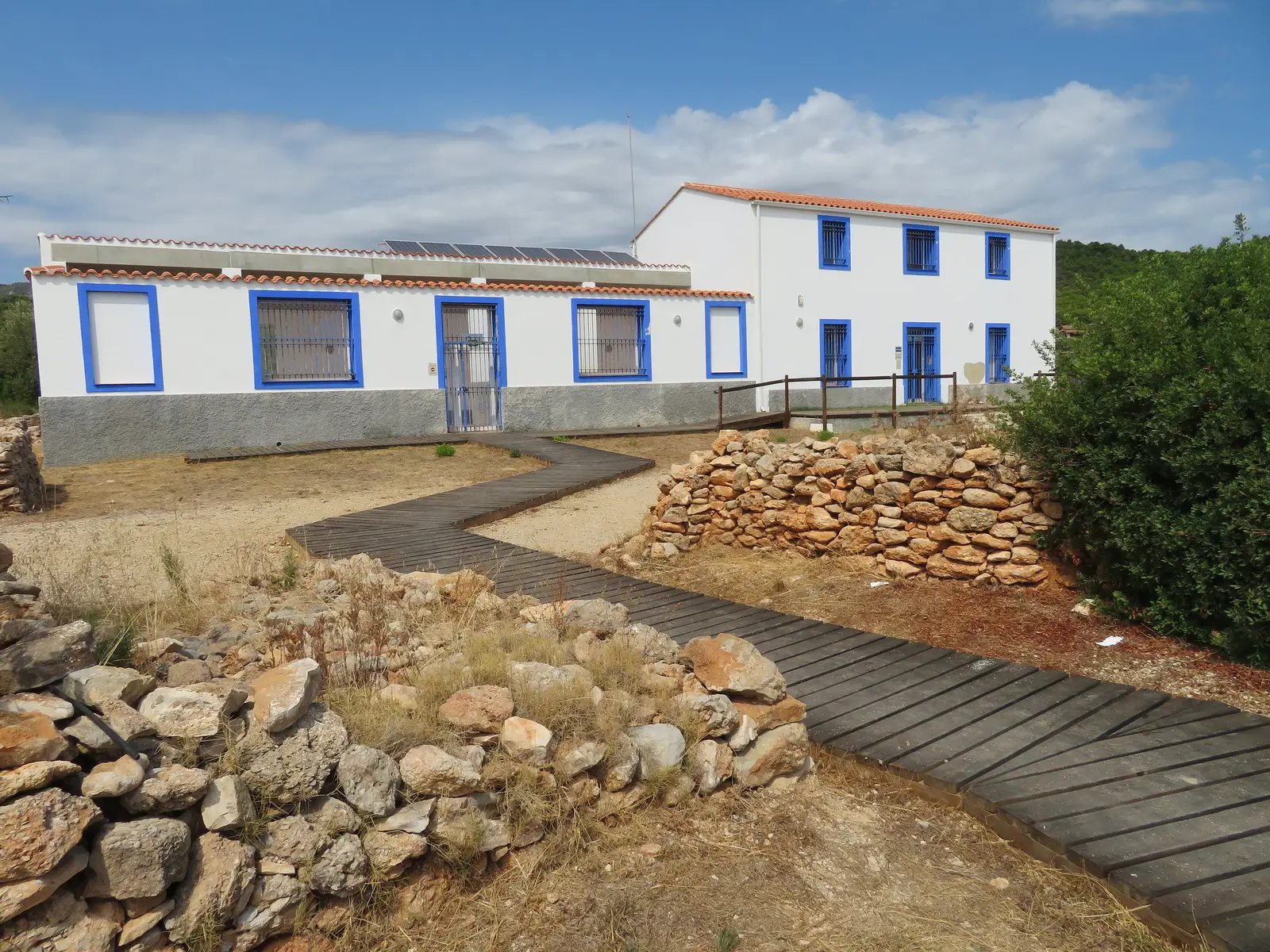
The Cuartel del Pebret barracks in the Serra d'Irta Natural Park (Peñíscola)
Juan Emilio Prades Bel, CC BY 4.0, Wikimedia Commons

The sea: kayaking, paddle boarding and the seabed

The coastal strip is a marine reserve: the best way to see it is with a mask and snorkel or from a kayak. What you can and can't do is in snorkelling and kayaking in the marine reserve.
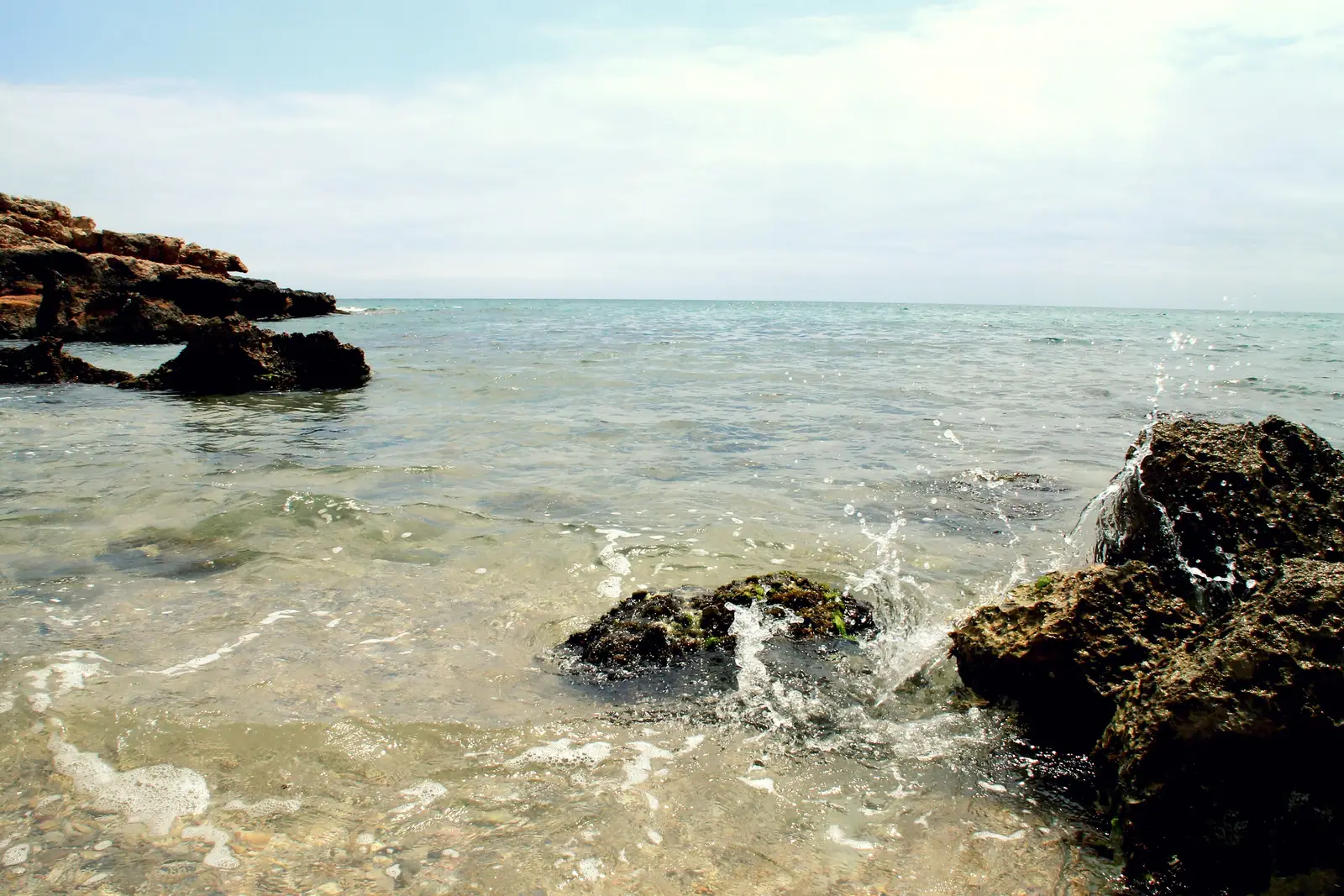
Sandy and rocky seabed underwater at Cala Argilaga, in the Irta marine reserve
sergioski1982, CC BY-SA 2.0, Wikimedia Commons
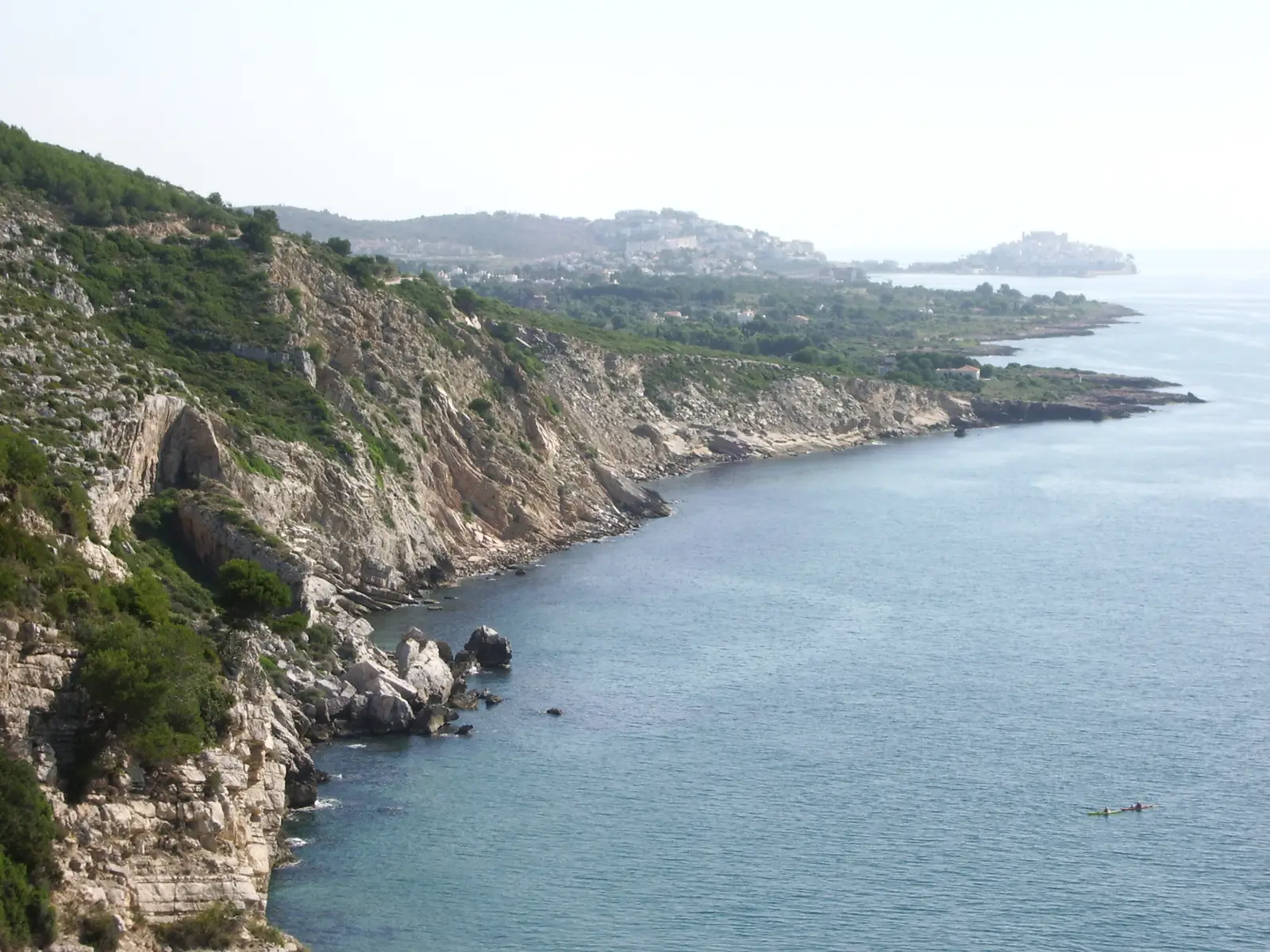
Kayaks at the foot of the Serra d'Irta cliffs
carlos corzo, CC BY-SA 3.0, Wikimedia Commons
Paddle boarding beside the white cliffs of the Serra d'Irta coast
Millars, CC BY-SA 4.0, Wikimedia Commons

Come and take your own photos

The best light on the coast is at sunrise. If you stay at the Marcomar apartments, less than 1 km from the lighthouse, you can set off in the dark and be at the first cove before the sun comes up. Find each place on the Serra d'Irta map.

See the Marcomar apartments

Frequently asked questions

What are the most photogenic places in the Serra d'Irta?

Torre Badum above its cliffs, the Alcossebre lighthouse at sunrise, Cala Mundina and Xivert Castle are the park's best-known images.

What's the best time to take photos in the Serra d'Irta?

Sunrise. The coast faces east, so the sun rises over the sea, and first thing there are fewer people in the coves. By mid-morning the water turns turquoise.

Can I use these photos?

They're photos by Wikimedia Commons authors under Creative Commons licences. You can reuse them by respecting each one's licence and crediting the author, who is shown below each image.

Last updated:

See the Marcomar apartments