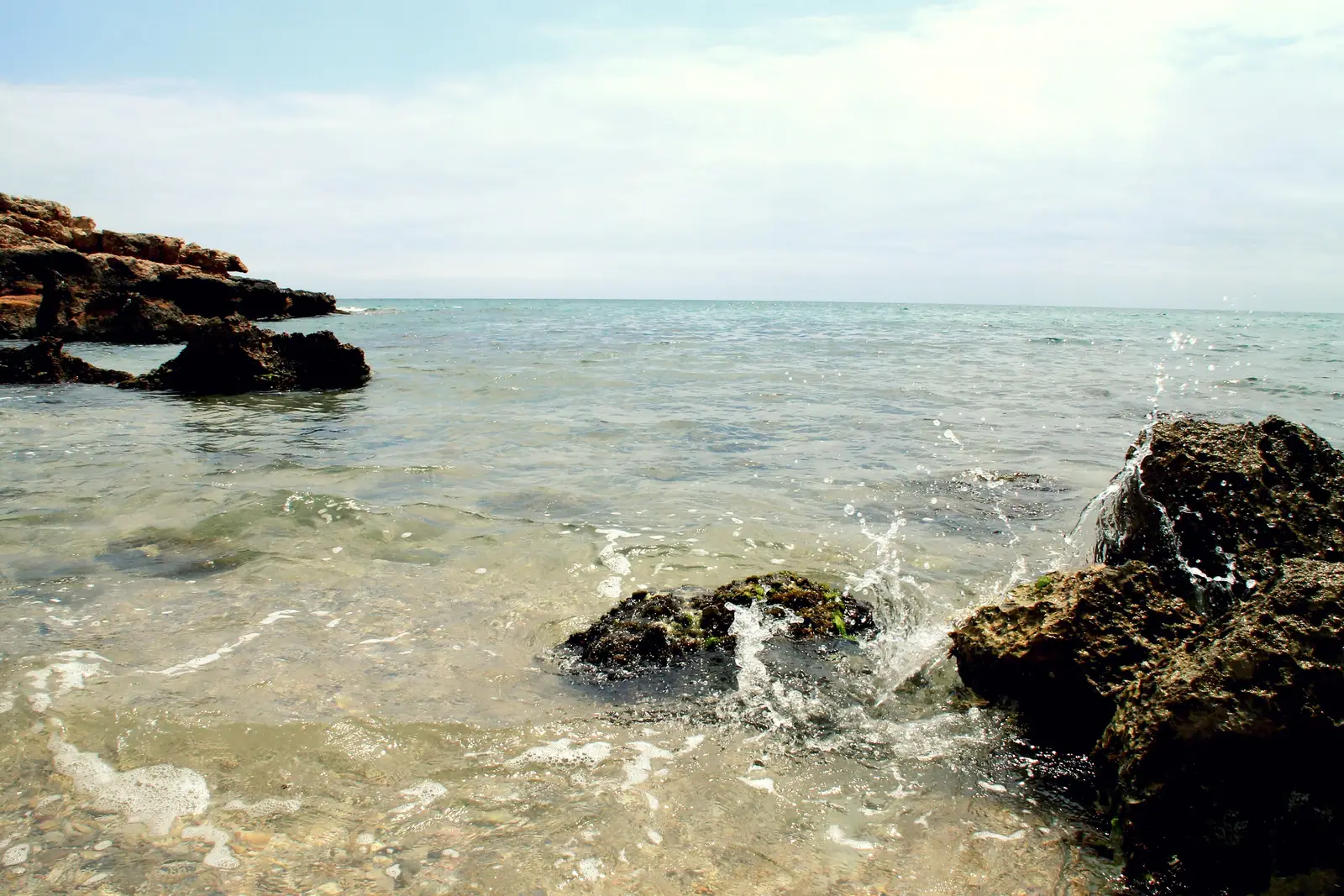
Beneath the Serra d'Irta cliffs lies one of its least-known parts: the marine reserve. It covers 941 hectares of sea between the mouth of the Malentivet ravine, at Cala Mundina, and the mouth of the Volante ravine, at Cala del Volante, down to 20 metres deep, with a strict reserve zone down to 10 metres. The underwater landscape combines low and medium cliffs with seabeds of pebbles, gravel and sand, and rich biological communities.
What you can and can't do
| Activity | In the marine reserve |
|---|---|
| Snorkelling (mask, snorkel and fins) | Not among the banned activities |
| Kayaking and paddling | Not among the banned activities |
| Scuba diving | Requires a permit from the Generalitat |
| Spearfishing | Banned |
| Recreational fishing from a boat | Banned |
| Recreational fishing on foot from the shore, from Cala Mundina to Cala del Volante | Banned |
| Shellfish gathering | Banned |
| Motorboats and motorised water sports | Motorised water sports banned; speed limit of 3 knots |
| Anchoring | Only in designated places |
According to Decree 163/2006, which regulates the marine fishing reserve, and the park's good practice guidelines. The Generalitat is preparing a new decree for the reserve; until it's approved, these rules remain in force.
Snorkelling in the Serra d'Irta
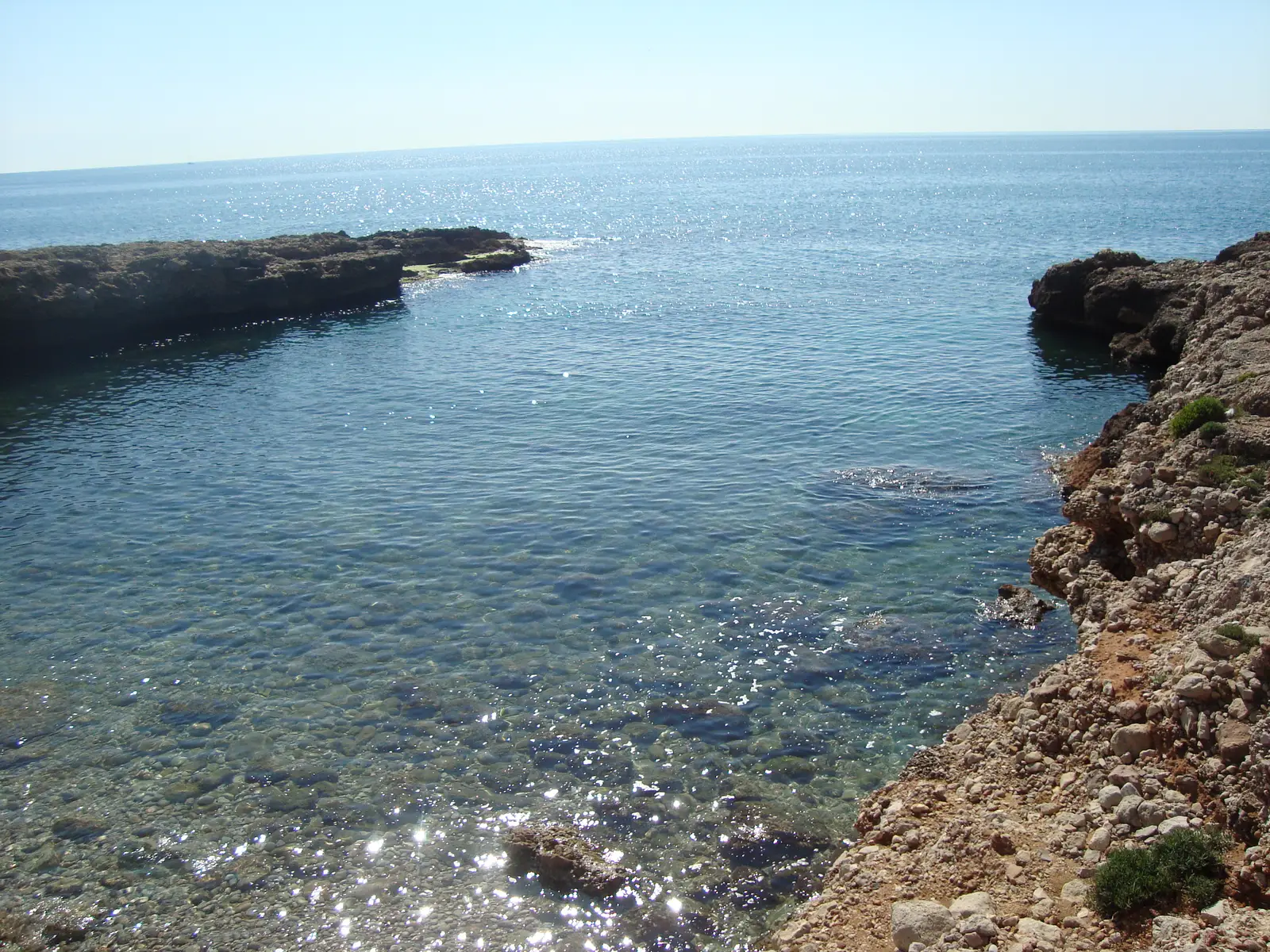
For snorkelling, look for rocky coves with clear water. In the south, Cala Mundina, below the Alcossebre lighthouse, has rocks and marine life and can be reached on foot; further north, Cala Argilaga has a rocky seabed. You'll find all the coves in the coves guide and their location on the map.
- Wear water shoes: the way in is over pebbles and rock.
- Don't touch or take anything: removing plants and animals is regulated.
- Swim close to the shore and never alone: the coves are unsupervised bathing areas, with no lifeguards.
- Use a marker buoy if you swim away from the shore, so boats can see you.
- Go early: there are usually fewer people in the coves.
Kayaking along the Irta coast
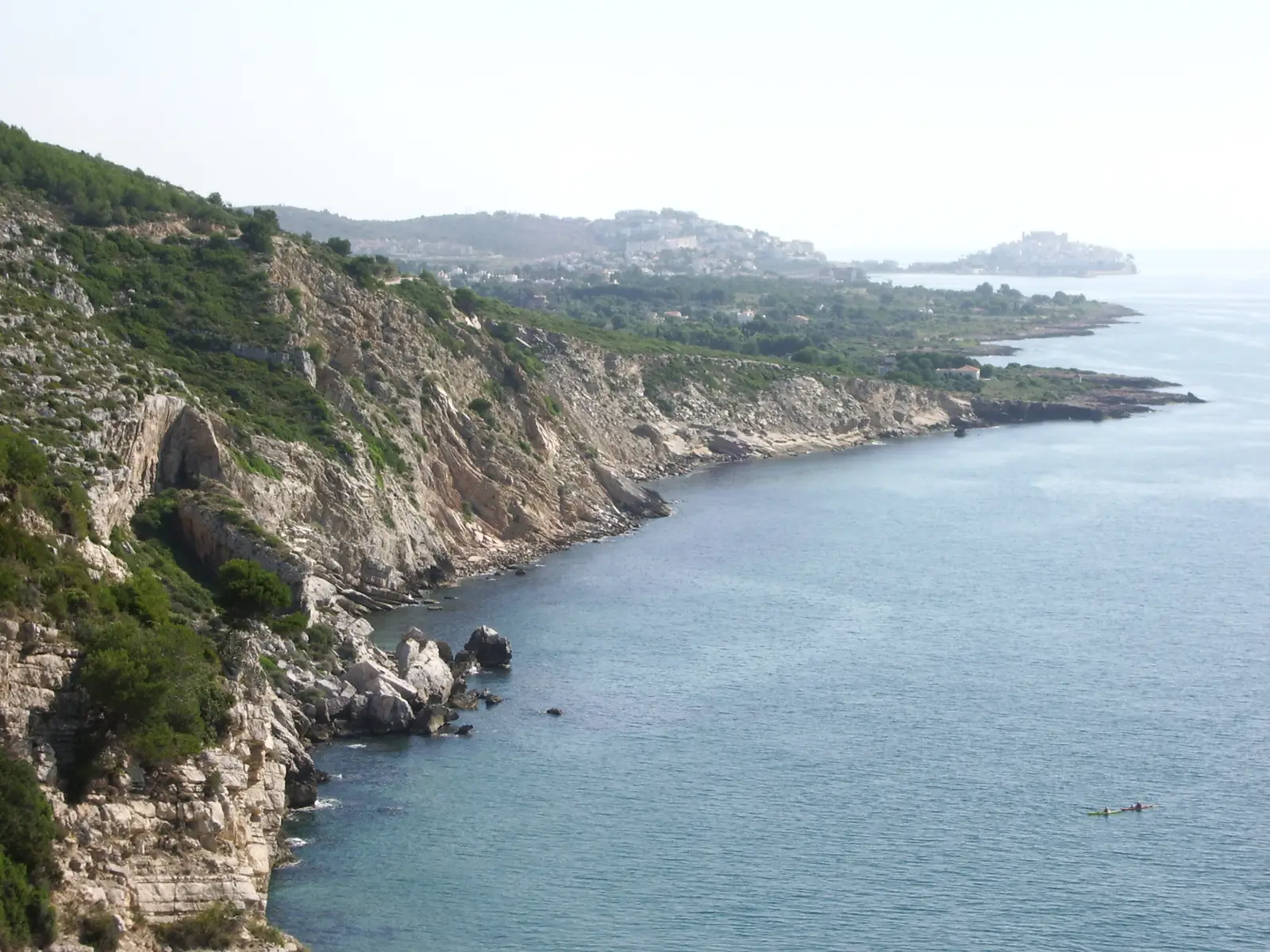
Kayaking along the Irta cliffs is the way to see the hills from the sea, with coves that are hard to reach by land. A few recommendations:
- Check the forecast: if there's wind or a swell, save the trip for another day.
- Keep to the 3-knot speed limit if you're in a boat and don't anchor outside the designated areas.
- Don't land in the plant micro-reserves, such as the one at Cala Argilaga or the Pebret dune.
- Take a buoyancy aid, water and your phone in a waterproof bag.
In Alcossebre there are water sports companies that rent equipment or run guided trips along this coast; the Alcossebre tourism website lists those in town. Check what they offer each season before you go.
Why there's so much life underwater
The marine reserve restricts fishing so that species can recover and breed. That's why spearfishing and shore fishing are banned along this whole stretch, and why scuba diving needs a permit. When you snorkel, remember you're in a protected area: look, but don't disturb.
Stay a step from the water
From the Marcomar apartments, in the north of Alcossebre, you can walk to the lighthouse and Cala Mundina with your mask and snorkel. When you get back, there's a pool and a shower at home.