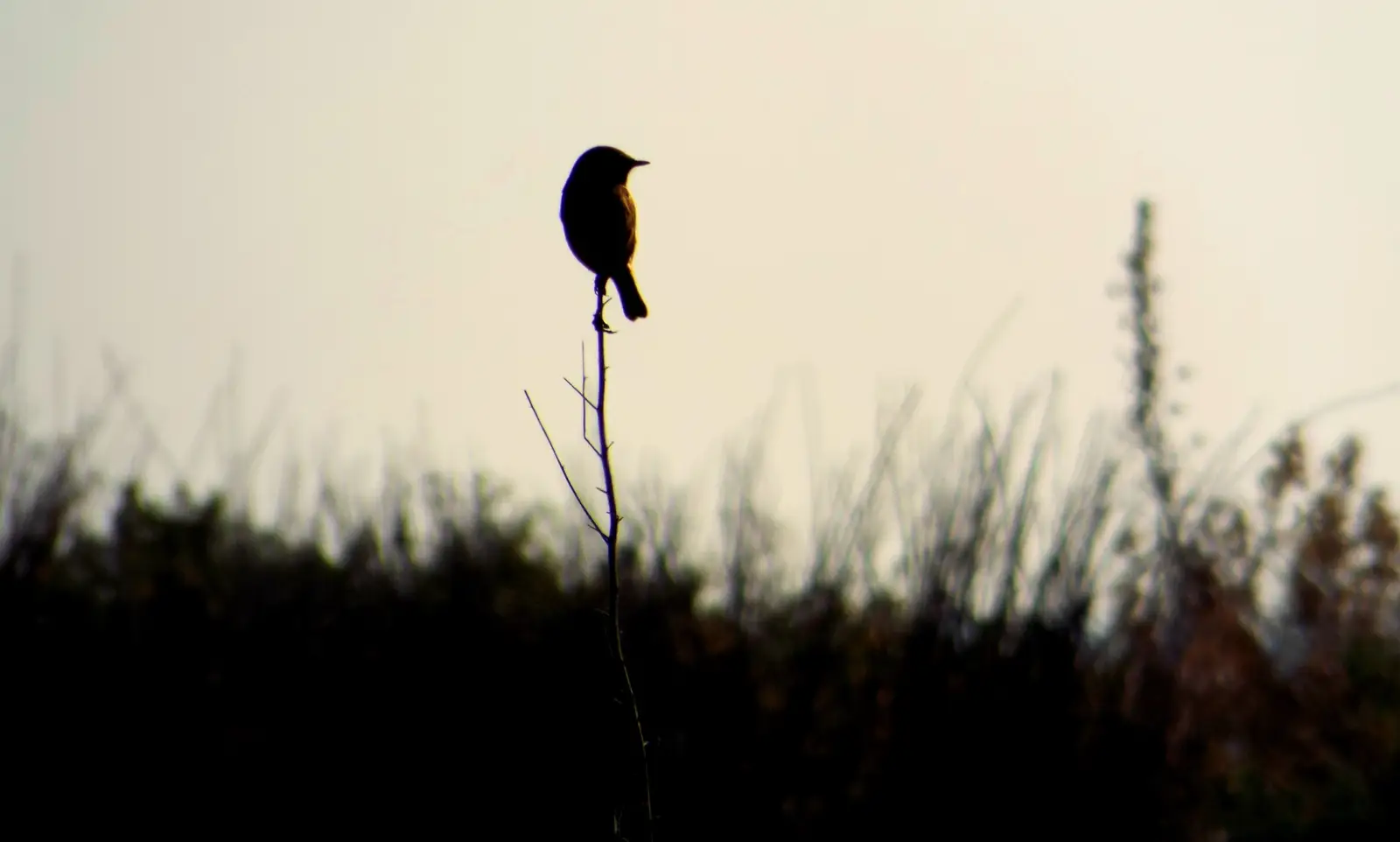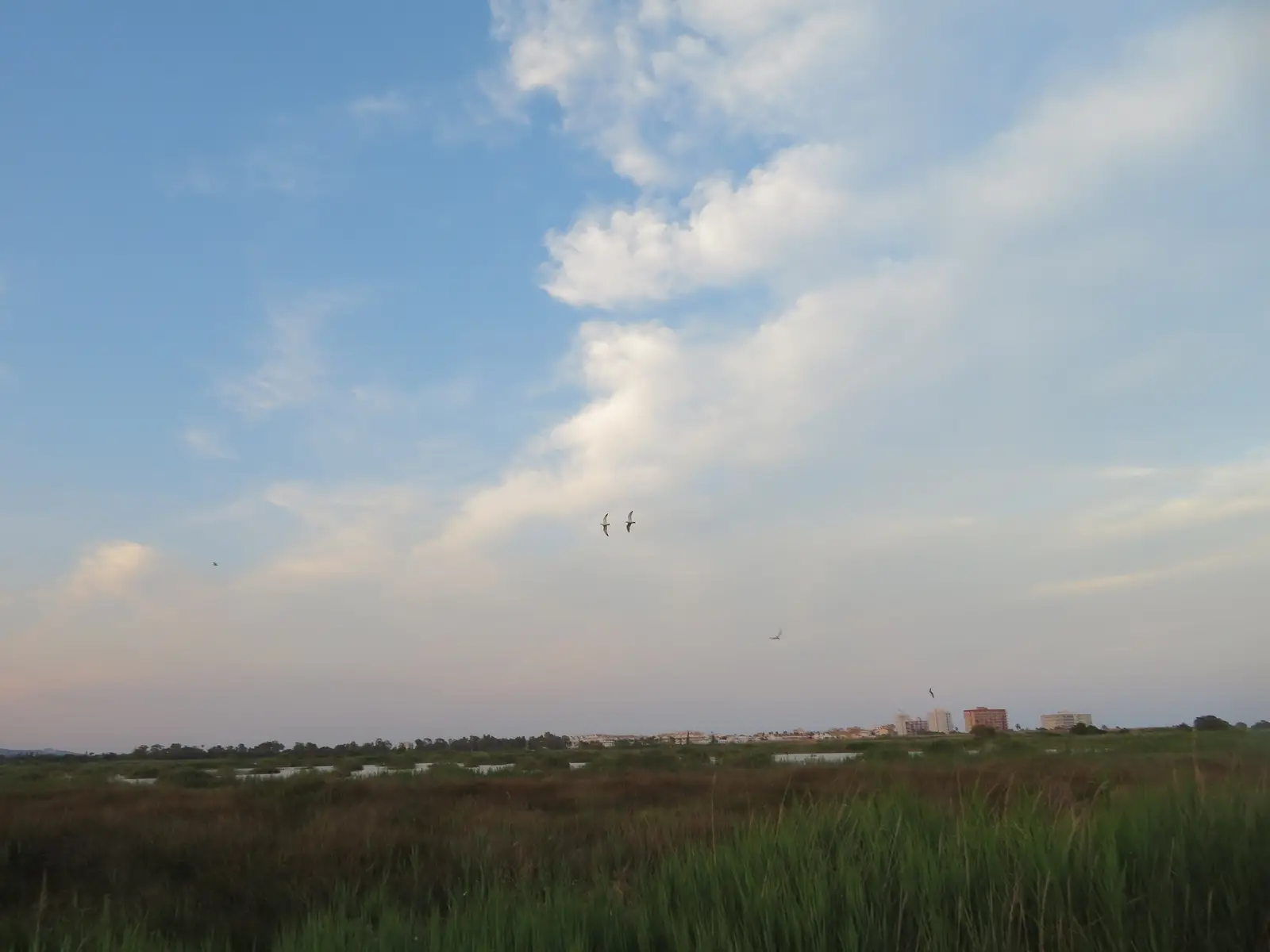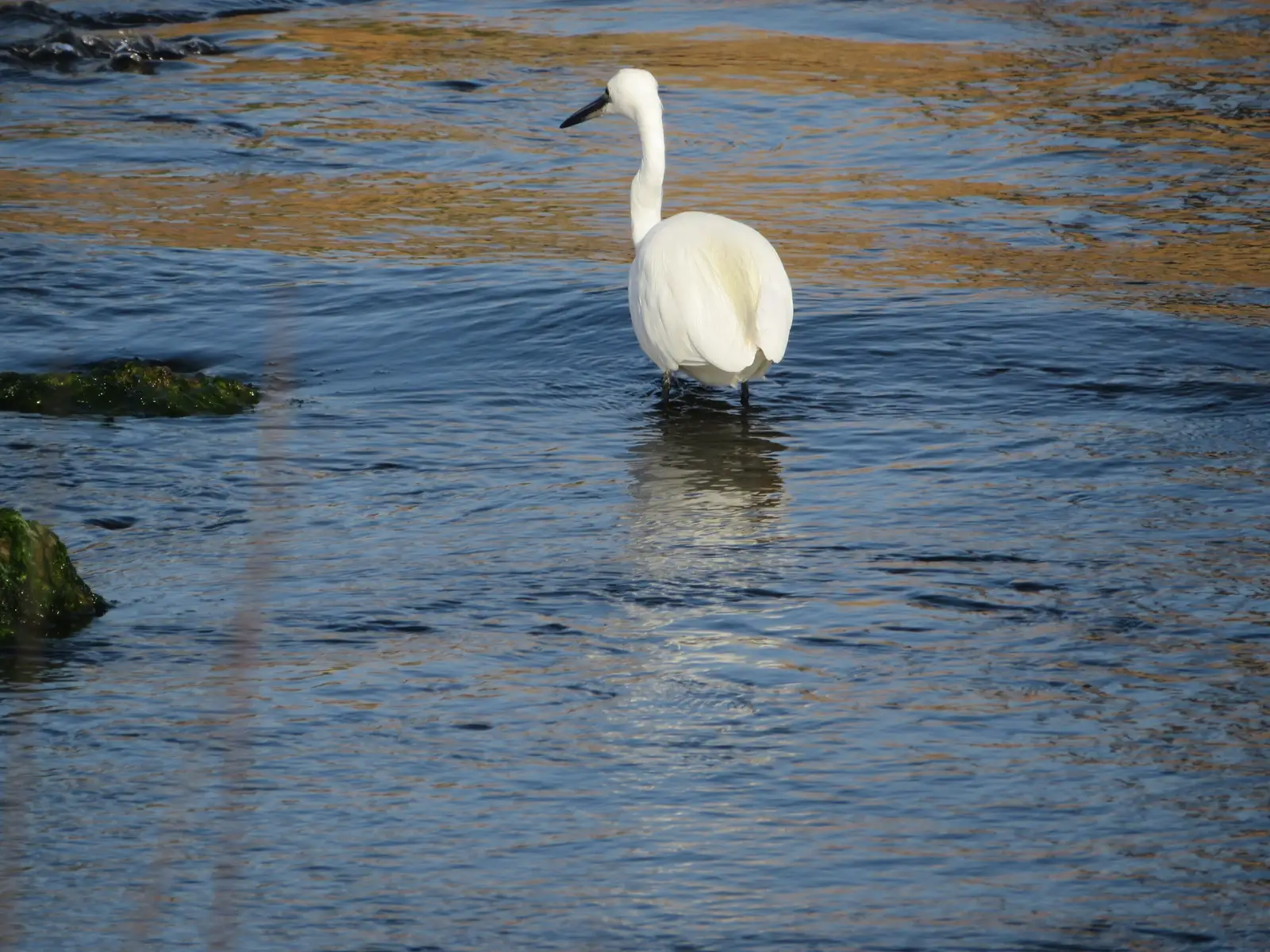
The Prat de Cabanes-Torreblanca wetland is the place to go from Alcossebre to see water and reedbed birds without travelling long distances. This guide gathers what the official and reference sources allow us to state; for the park itself (name, designations, routes and how to get there) see the Prat de Cabanes-Torreblanca Natural Park guide.
Why it is a wetland of ornithological interest
- 237 species of birds recorded since 1990, according to the park's new Bird Guide (2025): 175 regular, with a fact sheet, and 62 accidental.
- It is a Ramsar site, a ZEPA and IBA no. 152 (Important Bird Area of SEO/BirdLife), important for the breeding of the moustached warbler, herons and the collared pratincole.
- The marsh harrier has its largest breeding population in the Valencian Community here, and the collared pratincole (Glareola pratincola) forms the region's most important colony, according to Turismo de Castellón.
- The Ramsar sheet lists as threatened species of the wetland, among others, the moustached warbler, common teal, common pochard, whiskered tern, reed bunting, common snipe, collared pratincole, Audouin's gull and red-crested pochard.
Which birds are mentioned in each season
The sources consulted give no verified month-by-month calendar, so we summarise it by seasons, with what Turismo de Castellón and BirdingPlaces mention:
| Season | What is mentioned |
|---|---|
| Spring and summer (breeding) | Collared pratincole, Montagu's harrier, reed warblers and other warblers, black-winged stilt, little bittern, terns, Kentish plover, red-crested pochard and common coot |
| Winter | Great cormorant, marsh harrier, common buzzard, kingfisher and Eurasian penduline tit; ducks and herons |
| Migration passage | Garganey, osprey, grey plover and wheatear, among others; BirdingPlaces highlights the spring and autumn migrations |
| All year | Glossy ibis, marsh harrier, black-winged stilt, collared pratincole and Eurasian penduline tit are in BirdingPlaces' "top 5" |
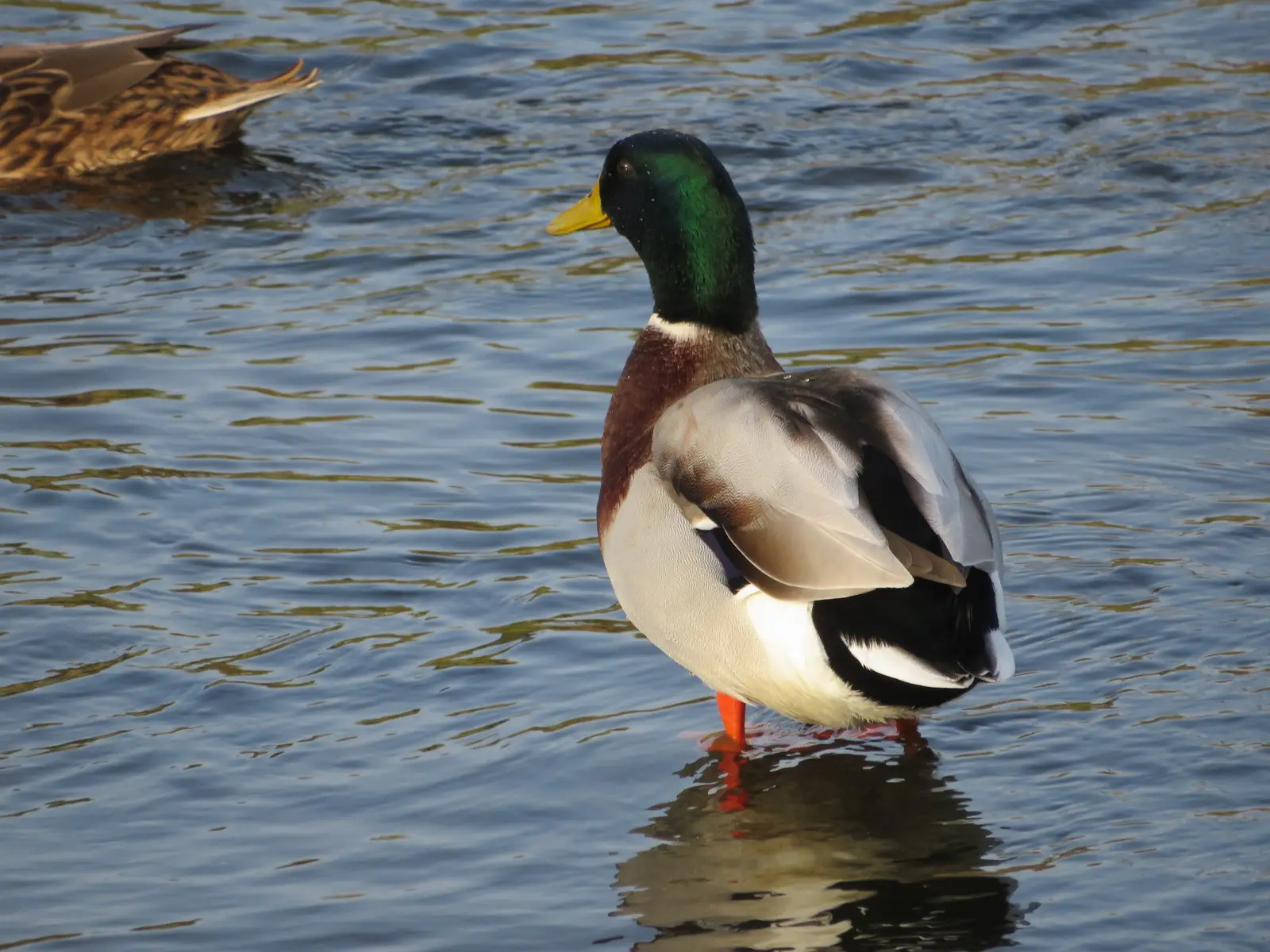
The count of wintering waterbirds that the Generalitat carries out every January (technical report 02/2022) recorded at the Prat, among others, great cormorant, great egret and little egret, grey heron, glossy ibis, common shelduck, mallard, red-crested pochard, water rail, moorhen, purple swamphen, coot, black-winged stilt, snipe, common greenshank, marsh harrier and Mediterranean gull. In 2022, 454 wintering marsh harriers were counted across the whole Valencian Community, with a rising trend every year.
Hides: do not count on them
According to BirdingPlaces, the park has no hides or observation platforms. The park's use plan (Decree 4/2003) provided for them, but there is no confirmation that they exist today. You watch from the paths, and that is why binoculars and, better, a telescope are useful.
What to bring
- Binoculars, which the Generalitat's website recommends, and a telescope if you have one, because BirdingPlaces considers it useful.
- Comfortable shoes and water. The terrain is flat and open.
- Sun protection: the wetland is open ground.
- A field guide or a bird identification app.
Best times of day
The official sources do not set times. As a general rule in birdwatching, the first and last hours of the day are those with the most activity and the softest light; the Generalitat's programme has included sunset birdwatching walks. Check the current programme on the park's website.
Birdwatcher's ethics and rules
- Do not leave the paths, on foot or by vehicle: it is forbidden.
- Do not bring dogs: they are banned throughout the park.
- Keep your distance, do not chase or scare the birds and do not use recorded calls.
- Speak quietly and leave no litter. Do not approach colonies and nests.
- There are hunting days in the surrounding area: check the calendar on the park's website.
Routes for birdwatching
The three signposted routes listed by Turisme Comunitat Valenciana are easy and have no climbs:
- Red, 3.5 km, circular through a Phoenician juniper reserve; suitable for children.
- Blue, 7.5 km, which extends the red route to a barrier of rounded pebbles.
- Yellow, 4.5 km, through fossil dunes, ditches and lagoons.
BirdingPlaces adds a circular route of about 8 km from the Torre la Sal car park. The interpretation centre is at the Torre de la Sal Aquaculture Institute. How to get there and distances from Alcossebre are in the park guide.
Guided visits
Experiences Valencia offers the activity "Birding en Prat de Cabanes y Sierra de Irta": about 5 hours, €90 per person according to its website on 20/11/2026, minimum 2 people (with a discount from 3), with an expert guide and optics included and the possibility of transfers. Confirm price, dates and conditions with the company. This mention is informative and there is no commercial agreement with the company.
eBird
eBird is useful to see what has recently been recorded in the area. Look up the records for the Plana Alta comarca before you set out, and remember that recent sightings are only indicative, not a guarantee.
Combine it with the birds of Irta and the Columbretes
- Serra d'Irta: the Bird Guide of the Valencian Community describes it as an area for seabirds, forest birds and raptors and for migratory passage; raptors such as Bonelli's eagle and the kestrel live there and, on the coast, Audouin's gull. See the guide to the natural park.
- Columbretes Islands: the Generalitat mentions nesting species such as Audouin's gull, Cory's shearwater and the Mediterranean shag, and Eleonora's falcon between August and October, according to the Generalitat. You get there on a boat trip: we explain it in the guide to the islands.
The three areas, in the guide to the three natural areas of Alcossebre.
Where to stay
The Marcomar Apartments, in the Marcolina development, at the entrance to the Serra d'Irta, are a base for combining mountains, wetland and islands.
Which bird would you most like to see first?
The marsh harrier gliding over the reedbed, the pratincole hunting insects or a kingfisher in winter? Tell us which species brings you here and we will help with the dates.