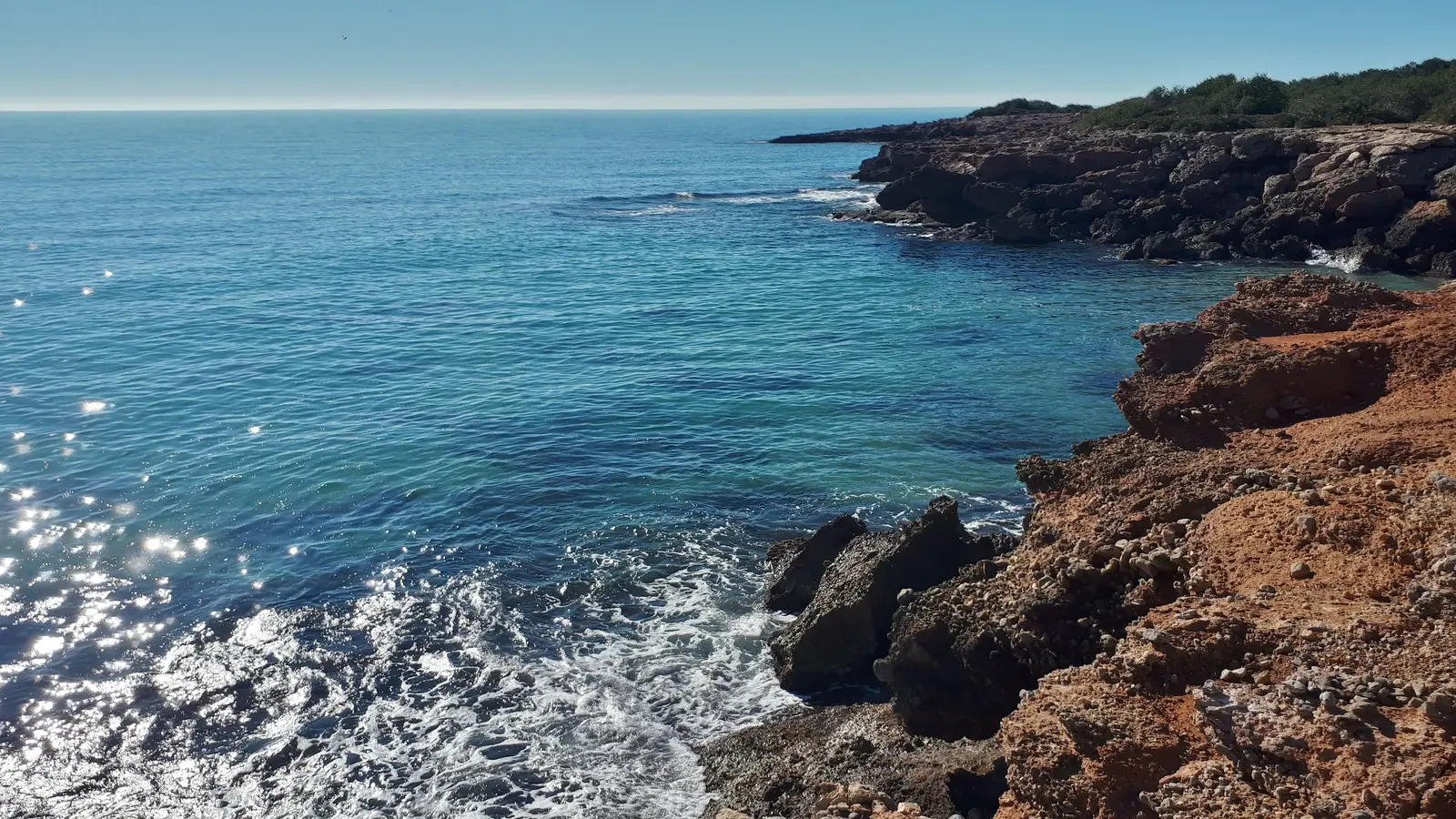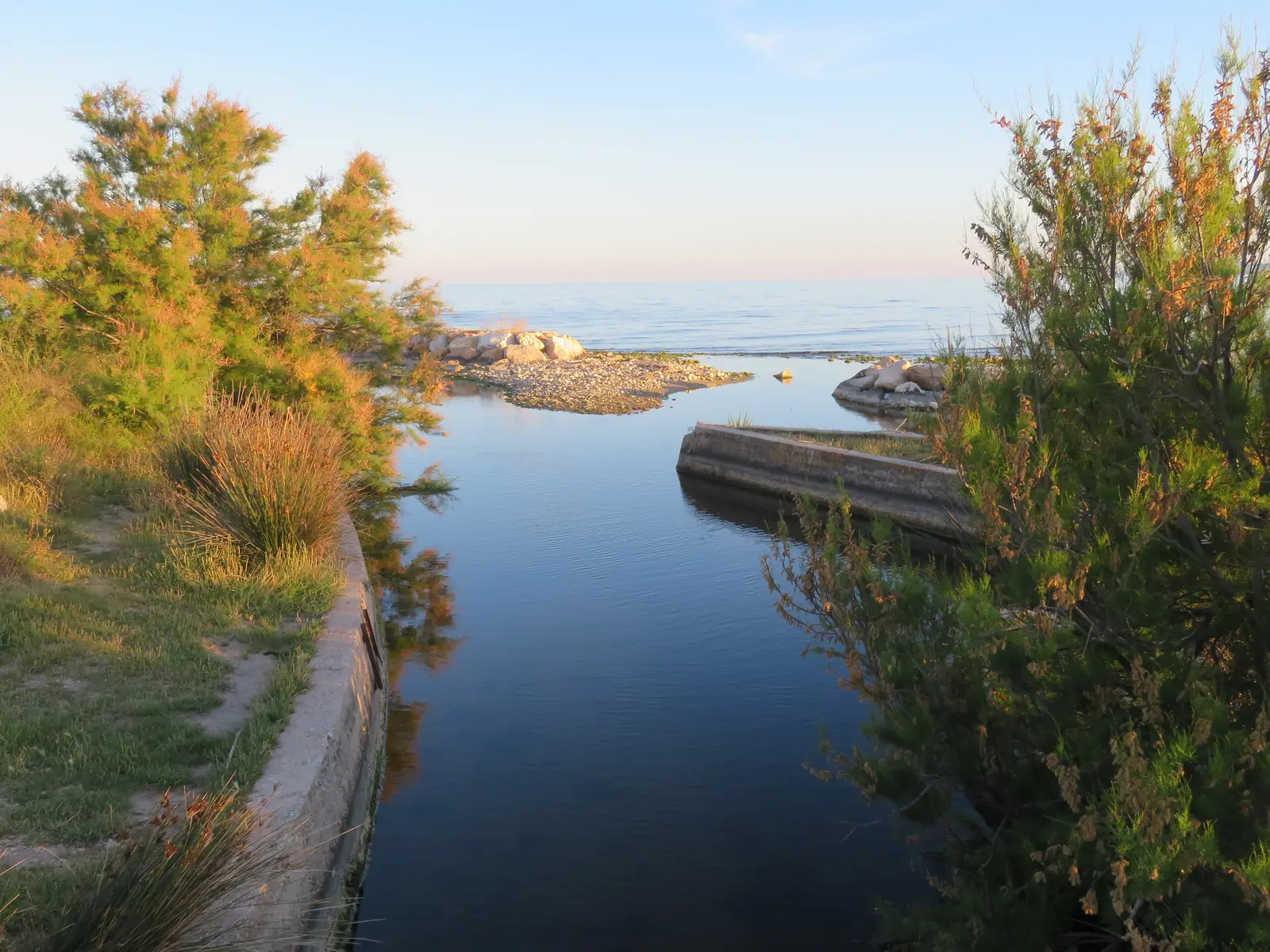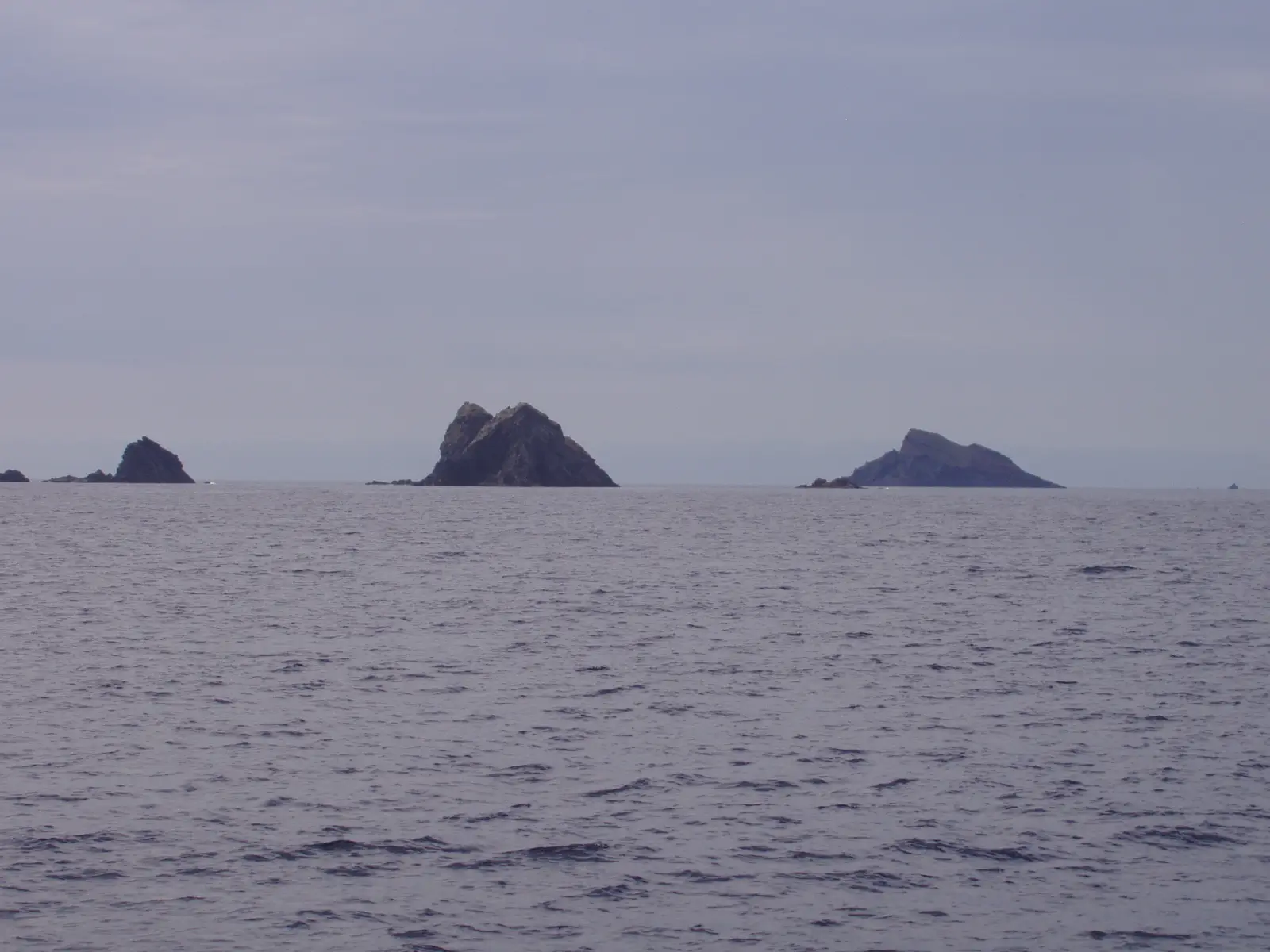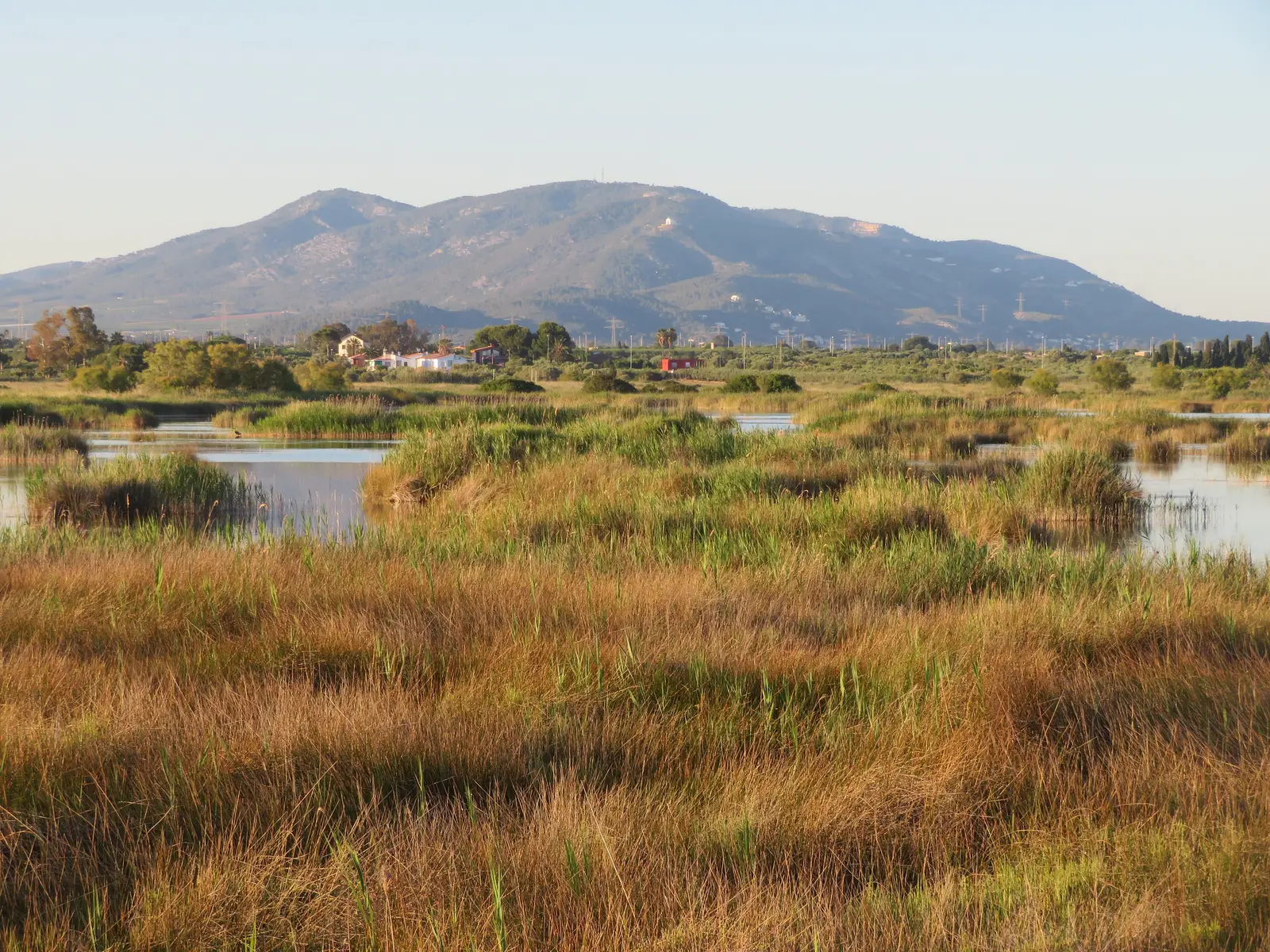
Alcossebre has the sea in front of it and, all around, three very different protected natural areas: a mountain range that drops into the Mediterranean, a shallow coastal wetland and a volcanic archipelago far out at sea. Each is enjoyed in its own way, and together they fill a week of nature without changing accommodation.
Three areas, three types of protection
It pays to be precise: these are not three natural parks, but two natural parks and one nature reserve. Many people call the Columbretes a "natural park", and the Generalitat keeps that name on its visitor website, but the status currently in force for the land part is that of Nature Reserve, and the sea around it is also a Marine Reserve.
| Area | Legal status | What you do there | Best time | From Alcossebre |
|---|---|---|---|---|
| Serra d'Irta | Natural Park and Marine Nature Reserve (Decree 108/2002) | Walking, mountain biking, coves, snorkelling and kayaking, towers and castles | April and October for walking; June to September for the coves | Starts on the outskirts: Marcomar is at the entrance |
| Prat de Cabanes-Torreblanca | Natural Park (Law 11/1994; natural site since 1988), Ramsar wetland no. 458 and ZEPA (Special Protection Area for birds) | Birdwatching, flat walks or rides, visitor centre | Spring and autumn, during migration; birds all year | Torrenostra: 11.9 km and about 20 min by car. Torre la Sal: 20.1 km and about 27 min |
| Columbretes Islands | Nature Reserve (Law 11/1994) and Marine Reserve of Fishing Interest (Order of 19 April 1990) | Day trip by boat, guided visit to Illa Grossa, optional swim or snorkel | Spring and summer; visits are closed from December to February | About 27 nautical miles (about 50 km) by sea; about 2 hours by boat each way |
Road distances are approximate: they are calculated with OpenStreetMap (OSRM), without traffic and from the centre of Alcossebre; from Marcomar they may differ by a few kilometres. The distance by sea to the Columbretes is the one given by the company that runs the trip; Spain's Ministry of Agriculture, Fisheries and Food places them 28 nautical miles from Cape Oropesa.
Each area in brief
The Serra d'Irta, at the edge of Alcossebre
A coastal range some 20 km long with undeveloped coves, pine woods, dwarf fan palms, watchtowers and castles. The Alcossebre lighthouse and Cala Blanca are its southern gate, and the routes start on foot from the town. It is all in the guide to the natural park in depth, the routes, the coves and the map.
The Prat de Cabanes-Torreblanca, the wetland to the south
A wetland of about 850 hectares with reedbeds, lagoons and a dune ridge, recognised as a Ramsar site. It has 237 recorded bird species, signposted routes with no climbs and a visitor centre at Torre la Sal. Dogs are not allowed. You have the park guide and another one specifically on birdwatching.
The Columbretes Islands, far out at sea
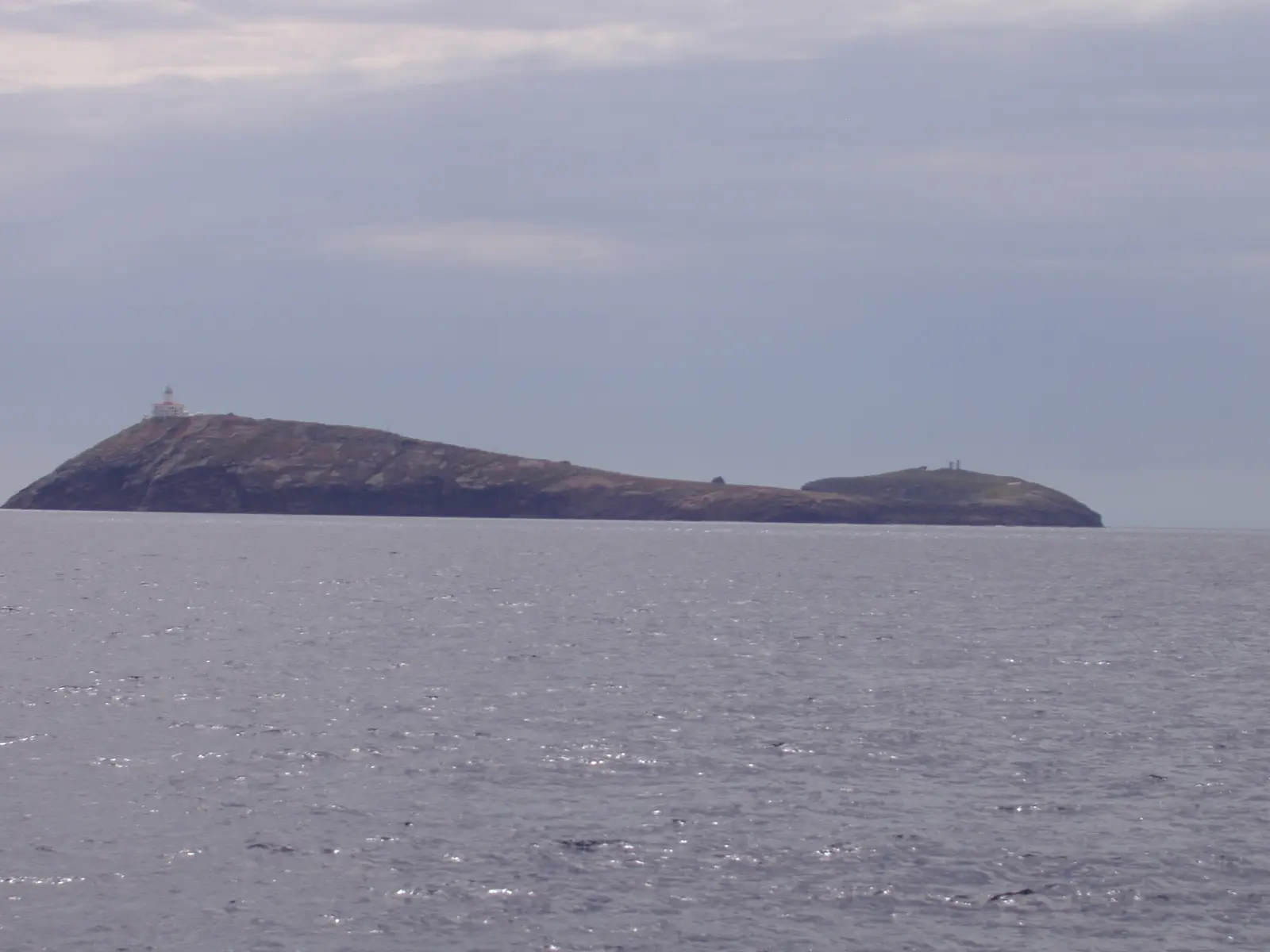
Four groups of volcanic islets, only one of which you can set foot on, Illa Grossa, with the reserve's wardens and without leaving the path. You get there by boat, on a full-day trip, from the Puerto Deportivo Las Fuentes. We explain it in the guide to the islands and in how to get there by boat from Alcossebre.
The map of the three areas
Tap each point to see what it is and follow the link to its guide. The map runs from the Serra d'Irta to the island, so the Columbretes appear far off at sea, to the east.
Key: red, Marcomar Apartments · yellow, Alcossebre lighthouse · green, Pico de Campanilles (Serra d'Irta) · turquoise, departure port for the Columbretes · orange, Illa Grossa (Columbretes) · purple, Prat de Cabanes-Torreblanca. Coordinates from OpenStreetMap and the Ramsar sheet.
A three-day plan from Marcomar
- Day 1, the mountains. Sunrise at the Alcossebre lighthouse, the red Irta route to Cala Cubanita (8.5 km circular, easy) and a swim at Cala Mundina on the way back. From Marcomar you can walk to the lighthouse (less than 1 km as the crow flies).
- Day 2, the wetland. An early start towards Torre la Sal (about 27 minutes by car from the centre of Alcossebre): the park's red route, 3.5 km with no climbs, with binoculars. Lunch nearby and an afternoon by the pool at Marcomar, open from Easter to mid-November.
- Day 3, the islands. Meet at the Puerto Deportivo Las Fuentes at 7:45 am, about 2 hours of crossing, a guided visit to Illa Grossa and back at about 6 pm. It is a full day and depends on the weather: leave it for the last day with some slack, or keep a free day in case the company changes the date.
If you have fewer days, keep the mountains and the wetland, which do not depend on the sea.
When to go
- Spring: the best time to combine all three. It is migration season at the Prat, good for walking in Irta, and the calendar of trips to the Columbretes is already open (from March to October for the company that sails from Alcossebre).
- Summer: coves and swimming in Irta, and the trip to the islands; at the Prat, better at dawn or in the late afternoon. In Irta, motor-vehicle access to the park's coast is regulated: see access and parking.
- Autumn: routes without the heat in the mountains and a second migration season in the wetland; trips to the islands continue until October.
- Winter: mountains and wetland. Visits to the Columbretes are closed from December to February.
What is not allowed
- Animals: dogs are banned at the Prat de Cabanes-Torreblanca, and animals cannot be taken to the Columbretes. Casa Azahar does not accept animals in its apartments either, except guide or assistance dogs with their documentation.
- Camping: camping is not allowed in the Serra d'Irta (only at the authorised Ribamar campsite) or on the Columbretes.
- Leaving the paths: at the Prat it is forbidden to leave the paths, on foot or by vehicle, and on Illa Grossa you only walk on the trail, with the wardens.
Where to stay
The Marcomar Apartments are in the Marcolina development, at the entrance to the Serra d'Irta, about 400 m as the crow flies from Cala Blanca. From there you walk into the mountains; the port from which the boats leave for the Columbretes is also in Alcossebre, and the wetland is visited by car, with the distances given above.
Which one would you start with?
Are you drawn more to the mountains, the wetland or the island? And if you had three days, would you combine them all?